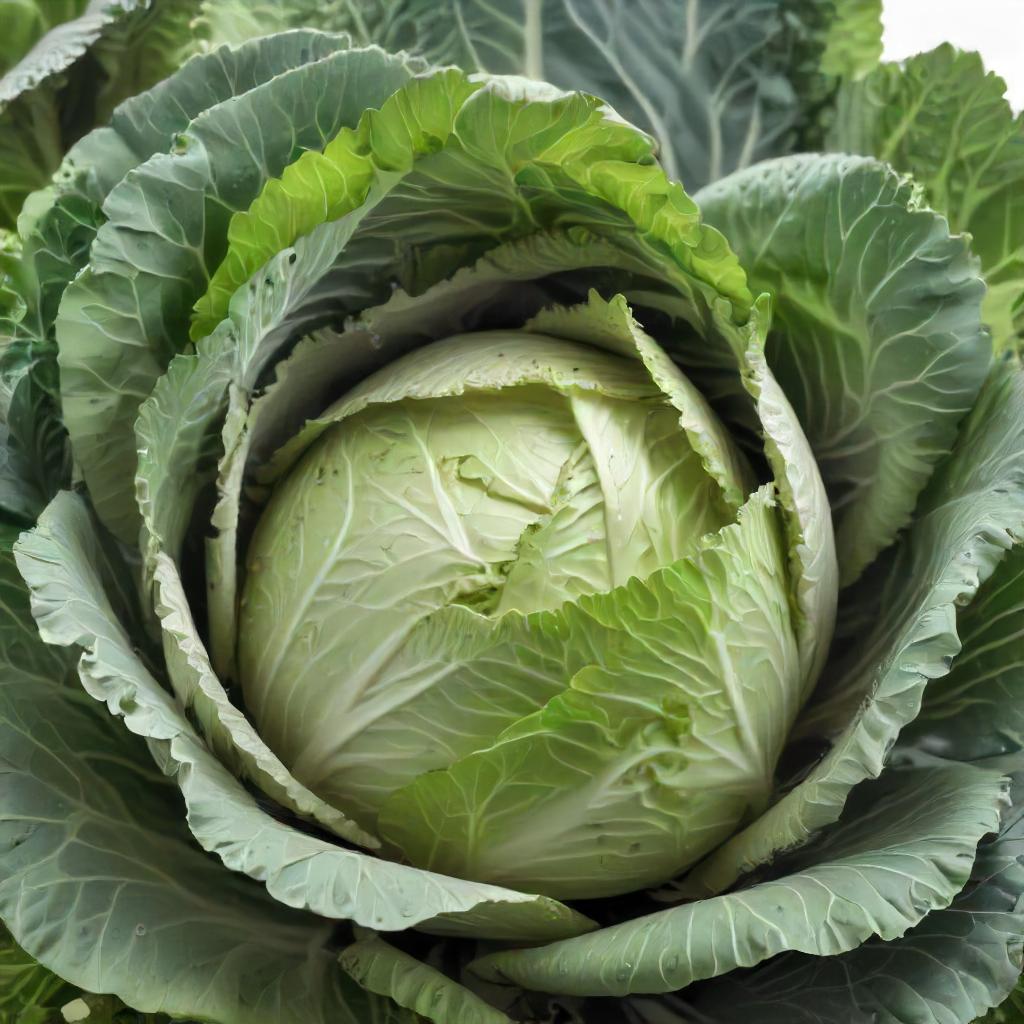
Introduction to Cabbage
Cabbage is a leafy green, red, or white biennial plant grown as an annual vegetable crop for its dense-leaved Heads. A member of the Brassica family, which includes broccoli, cauliflower, and kale, cabbage is one of the oldest cultivated vegetables, with a history back over 4,000 years. It is widely used in culinary traditions around the world, from raw salads to fermented dishes like sauerkraut and kimchi.
Benefits of Consuming Cabbage
-
Nutrient-Rich: Cabbage is packed with essential nutrients, including vitamins C and K, folate, fiber, and antioxidants. These nutrients play a crucial role in maintaining overall health.
-
Antioxidant Properties: Cabbage contains powerful antioxidants, such as polyphenols and sulfur compounds, which help protect the body from damage caused by free radicals.
-
Anti-Inflammatory Effects: The phytonutrients in cabbage have anti-inflammatory properties, which can help reduce the risk of chronic diseases such as heart disease and certain cancers.
-
Digestive Health: High in dietary fiber, cabbage supports healthy digestion and can help prevent constipation and other digestive issues.
-
Weight Management: Cabbage is low in calories and high in fiber, making it a great addition to a weight management diet. It helps you feel full and satisfied without consuming a lot of calories.
-
Bone Health: Vitamin K, abundant in cabbage, is essential for bone health. It helps in the formation of bone proteins and reduces the risk of osteoporosis.
-
Heart Health: The potassium in cabbage helps regulate blood pressure, while the fiber content can reduce cholesterol levels, contributing to better cardiovascular health.
Disadvantages of Consuming Cabbage
-
Digestive Issues: For some people, consuming cabbage can lead to bloating, gas, and stomach discomfort due to its high fiber content and the presence of certain carbohydrates that are difficult to digest.
-
Goitrogens: Cabbage contains compounds called goitrogens, which can interfere with thyroid function if consumed in very large quantities. This is particularly a concern for individuals with thyroid disorders.
-
Drug Interactions: Cabbage is high in vitamin K, which can affect blood clotting. People on blood-thinning medications like warfarin should monitor their cabbage intake to avoid complications.
-
Allergic Reactions: Though rare, some individuals may be allergic to cabbage, experiencing symptoms such as itching, swelling, and difficulty breathing.
-
Interference with Mineral Absorption: Cabbage contains compounds like oxalates that can bind with minerals such as calcium and iron, potentially hindering their absorption.
Conclusion
Cabbage is a nutritious and versatile vegetable with numerous health benefits. However, it’s important to consume it in moderation and be mindful of any potential adverse effects, especially for individuals with specific health conditions. Including a variety of vegetables in your diet can help ensure you receive a balanced intake of nutrients.


Leave a Reply