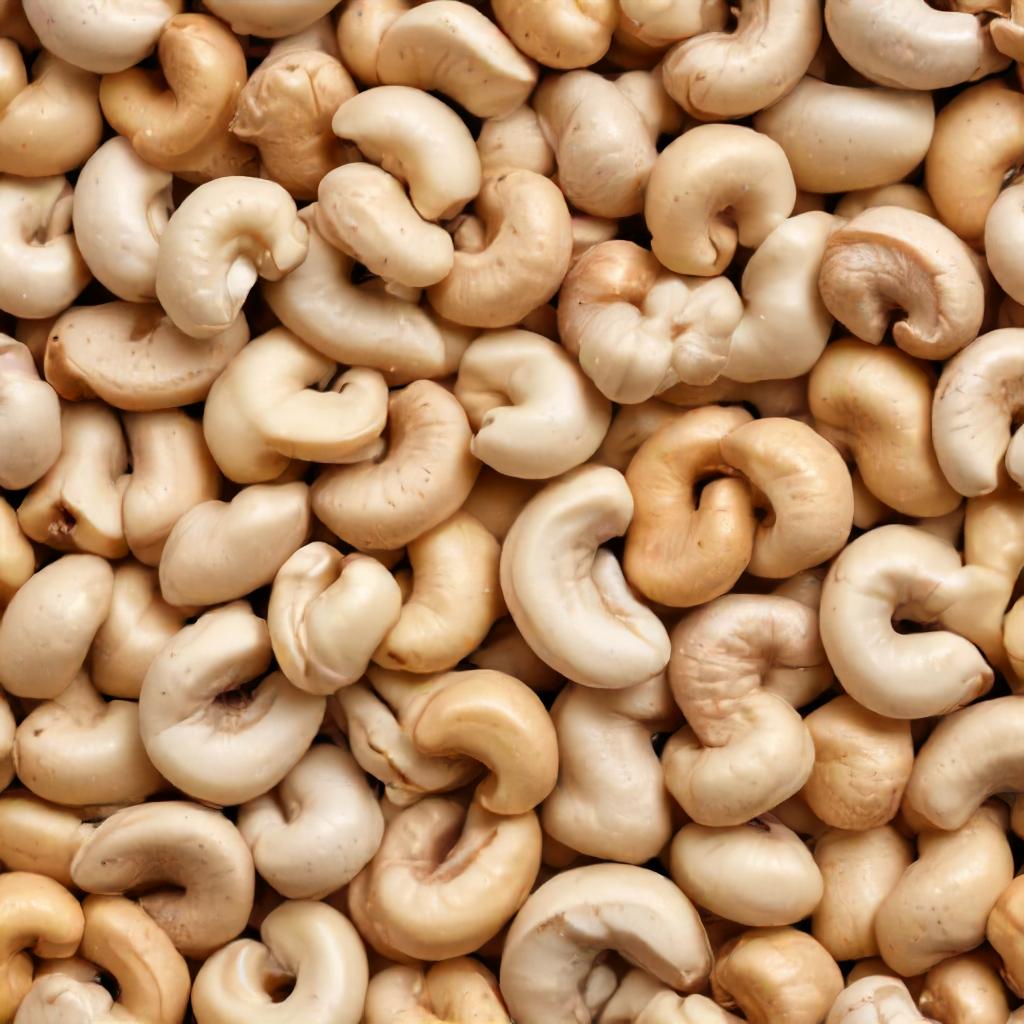
Introduction to Cashews
Cashews are kidney-shaped seeds that come from the cashew tree (Anacardium occidentale), a tropical evergreen tree native to Brazil but now grown in various tropical regions around the world. The cashew nut grows at the end of the cashew apple, a fruit that is also edible but less widely known. Cashews have a rich, buttery flavor and a creamy texture, making them a popular ingredient in a variety of culinary dishes, from savory curries to sweet desserts.
Benefits of Consuming Cashews
-
Nutrient-Rich: Cashews are a good source of essential nutrients, including healthy fats, protein, vitamins (such as vitamin E, K, and B6), and minerals (like magnesium, phosphorus, zinc, and iron).
-
Heart Health: Cashews contain heart-healthy monounsaturated and polyunsaturated fats, which can help reduce bad cholesterol levels and lower the risk of heart disease.
-
Weight Management: Despite their high fat content, the fats in cashews are healthy and can promote a feeling of fullness, potentially aiding in weight management when consumed in moderation.
-
Bone Health: Cashews provide important minerals like calcium, magnesium, and phosphorus, which are essential for maintaining strong bones and teeth.
-
Antioxidant Properties: They contain antioxidants such as tocopherols, which help fight oxidative stress and reduce inflammation in the body.
-
Blood Health: The copper and iron in cashews work together to help the body form and utilize red blood cells, improving overall blood health.
-
Boosted Immune System: The zinc and other essential nutrients in cashews help support the immune system.
Disadvantages of Consuming Cashews
-
High-Calorie Content: Cashews are calorie-dense, and excessive consumption can lead to weight gain if not balanced with other aspects of the diet.
-
Allergenic Potential: Some people may be allergic to cashews, which can cause severe allergic reactions, including anaphylaxis.
-
High Oxalate Content: Cashews contain oxalates, which can contribute to the formation of kidney stones in susceptible individuals when consumed in large amounts.
-
Sodium Content: Roasted and salted cashews can be high in sodium, which may not be suitable for people monitoring their salt intake.
-
Phytic Acid: Cashews contain phytic acid, which can interfere with the absorption of some minerals, such as iron and zinc.
In summary, cashews are a nutritious snack with many health benefits when consumed in moderation. However, it’s important to be aware of their high-calorie content and potential health risks for those with specific dietary concerns or allergies.

Leave a Reply