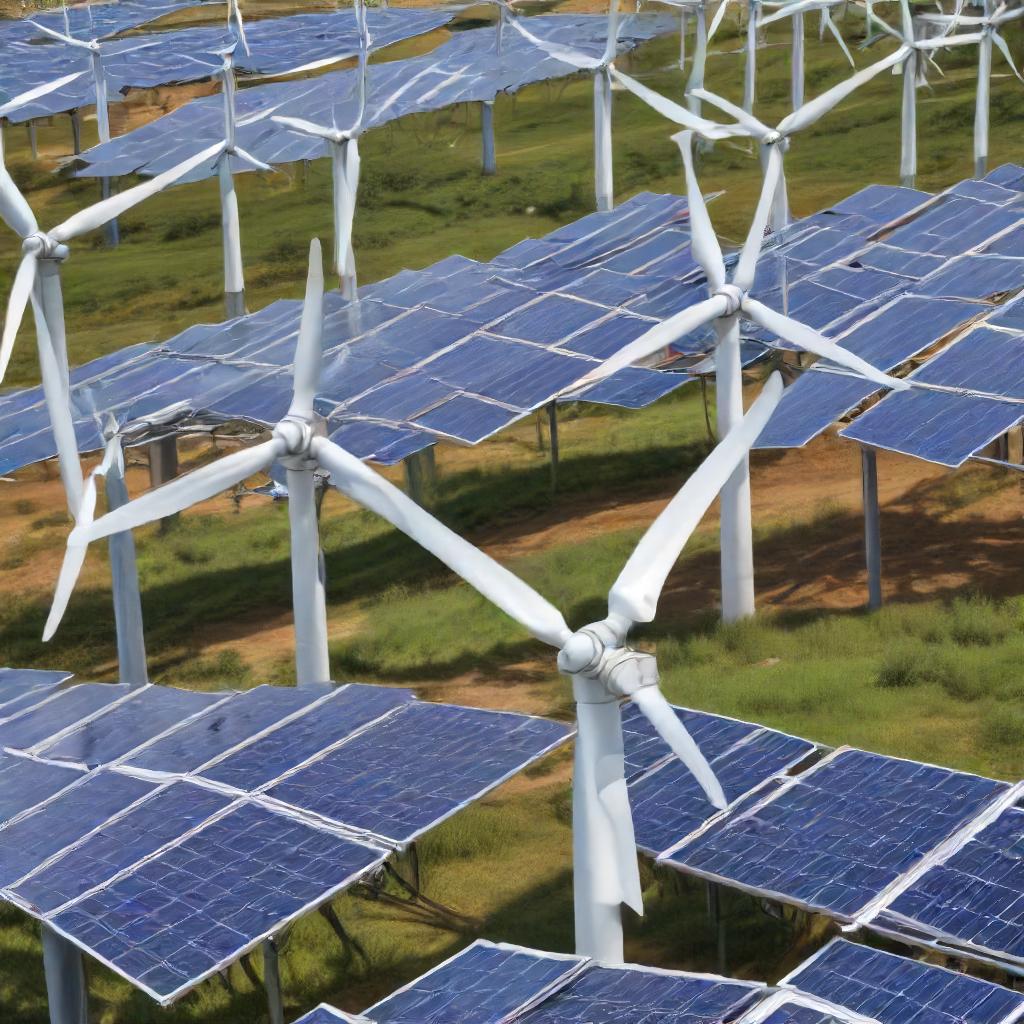
Sustainable technology innovations are crucial for addressing environmental challenges and promoting a more sustainable future. Here are some areas where sustainable technology is used
-
Renewable Energy:
- Solar Power: Advances in solar panel efficiency, including perovskite solar cells and bifacial panels, are making solar energy more cost-effective.
- Wind Power: Larger, more efficient wind turbines and offshore wind farms are increasing the capacity of wind energy production.
- Hydropower: Innovations in small-scale and low-impact hydropower technologies are expanding the potential for hydropower generation.
-
Energy Storage:
- Battery Technology: Improvements in lithium-ion batteries, solid-state batteries, and flow batteries are enhancing energy storage capacity and efficiency.
- Grid Storage Solutions: Technologies like pumped hydro storage, compressed air energy storage, and advanced flywheels are being developed to store energy at grid scale.
-
Smart Grids:
- Grid Modernization: Incorporating digital technologies and IoT for real-time monitoring, load balancing, and demand response to improve grid efficiency and reliability.
- Microgrids: Localized grids that can operate independently from the main grid, enhancing resilience and integrating more renewable energy sources.
-
Sustainable Transportation:
- Electric Vehicles (EVs): Advances in battery technology, charging infrastructure, and vehicle-to-grid integration are making EVs more practical and widespread.
- Hydrogen Fuel Cells: Development of hydrogen fuel cell technology for vehicles and other applications, offering a zero-emission alternative to fossil fuels.
- Public Transit Innovations: Introduction of electric buses, autonomous shuttles, and improved rail systems to reduce the carbon footprint of public transportation.
-
Green Building Technologies:
- Energy-Efficient Building Materials: Use of materials like cross-laminated timber, green concrete, and recycled steel to reduce the environmental impact of construction.
- Smart Buildings: Incorporating IoT, AI, and automation for energy management, climate control, and overall efficiency in buildings.
- Passive Design: Architectural strategies that maximize natural light, ventilation, and insulation to reduce energy consumption.


Leave a Reply