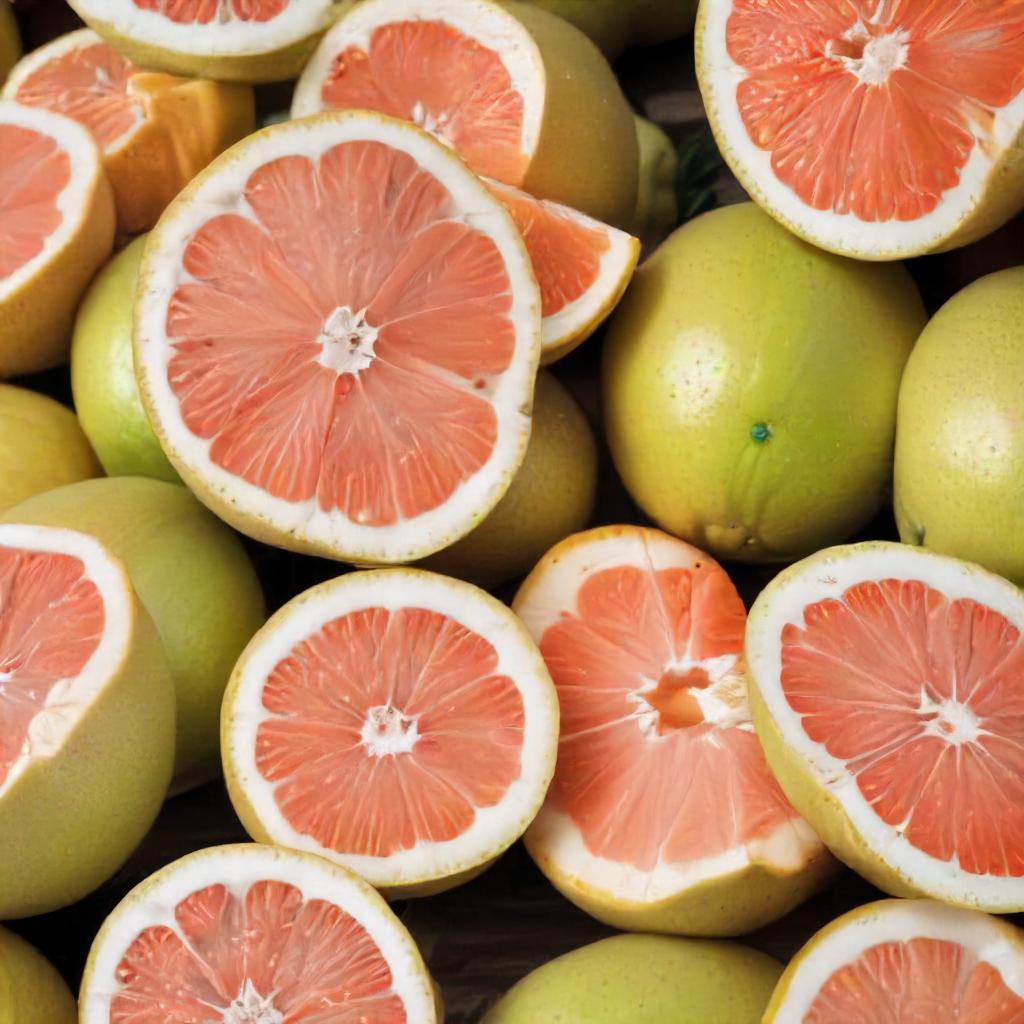
Introduction to Pomelo
Pomelo (Citrus maxima or Citrus grandis) is a large citrus fruit native to Southeast Asia and is considered the largest citrus fruit in the world. It belongs to the Rutaceae family and is closely related to grapefruits, though it is sweeter and less acidic. The pomelo has a thick, spongy rind that can be green or yellow, and its flesh, which can range from white to pink or red, is juicy and segmented like other citrus fruits. The flavor is generally sweet with a hint of tartness, making it a popular fruit in many Asian cuisines.
Benefits of Consuming Pomelo
- Nutrients: Pomelos are packed with essential nutrients, including vitamin C, potassium, fiber, and various antioxidants. These nutrients support overall health, boost the immune system, and help maintain healthy skin.
- High in Vitamin C: A single serving of pomelo provides a significant amount of the daily recommended intake of vitamin C, which is crucial for immune function, skin health, and the absorption of iron from plant-based foods.
- Antioxidant Properties: The fruit contains antioxidants like flavonoids, which help protect the body from oxidative stress and reduce the risk of chronic diseases such as heart disease and cancer.
- Promotes Digestive Health: The high fiber content in pomelo aids in digestion by promoting regular bowel movements and preventing constipation.
- Supports Heart Health: Potassium in pomelo helps regulate blood pressure, while fiber and antioxidants contribute to overall cardiovascular health.
- Weight Management: Pomelo is low in calories and high in fiber, making it a filling snack that can help control appetite and support weight management efforts.
Disadvantages of Consuming Pomelo
- Interaction with Medications: Similar to grapefruits, pomelos can interfere with the metabolism of certain medications, particularly those that are processed by the liver enzyme CYP3A4. This can lead to higher levels of the medication in the bloodstream and increase the risk of side effects.
- Allergic Reactions: Some individuals may be allergic to citrus fruits, including pomelo. Symptoms of an allergic reaction can include itching, swelling, and difficulty breathing.
- High Sugar Content: Although pomelo is lower in calories, it still contains natural sugars. Consuming it in large amounts may not be suitable for individuals managing their blood sugar levels, such as those with diabetes.
- Pesticide Residue:Like many fruits, pomelo can contain pesticide residues if not properly washed or sourced from non-organic farms. Consuming these residues can pose health risks.
- Environmental Impact: Pomelos are often imported from regions where they are grown, which can have a higher environmental footprint due to transportation and associated carbon emissions.
- Gastrointestinal Discomfort: The high fiber content, while beneficial for most, can cause gastrointestinal discomfort in some individuals, especially if consumed in large quantities. This may include symptoms like bloating, gas, or diarrhea.
Pomelo is a nutritious and delicious fruit that offers numerous health benefits when consumed in moderation. However, it is important to be aware of disadvantages and consult with a healthcare provider if you have any health conditions.


Leave a Reply