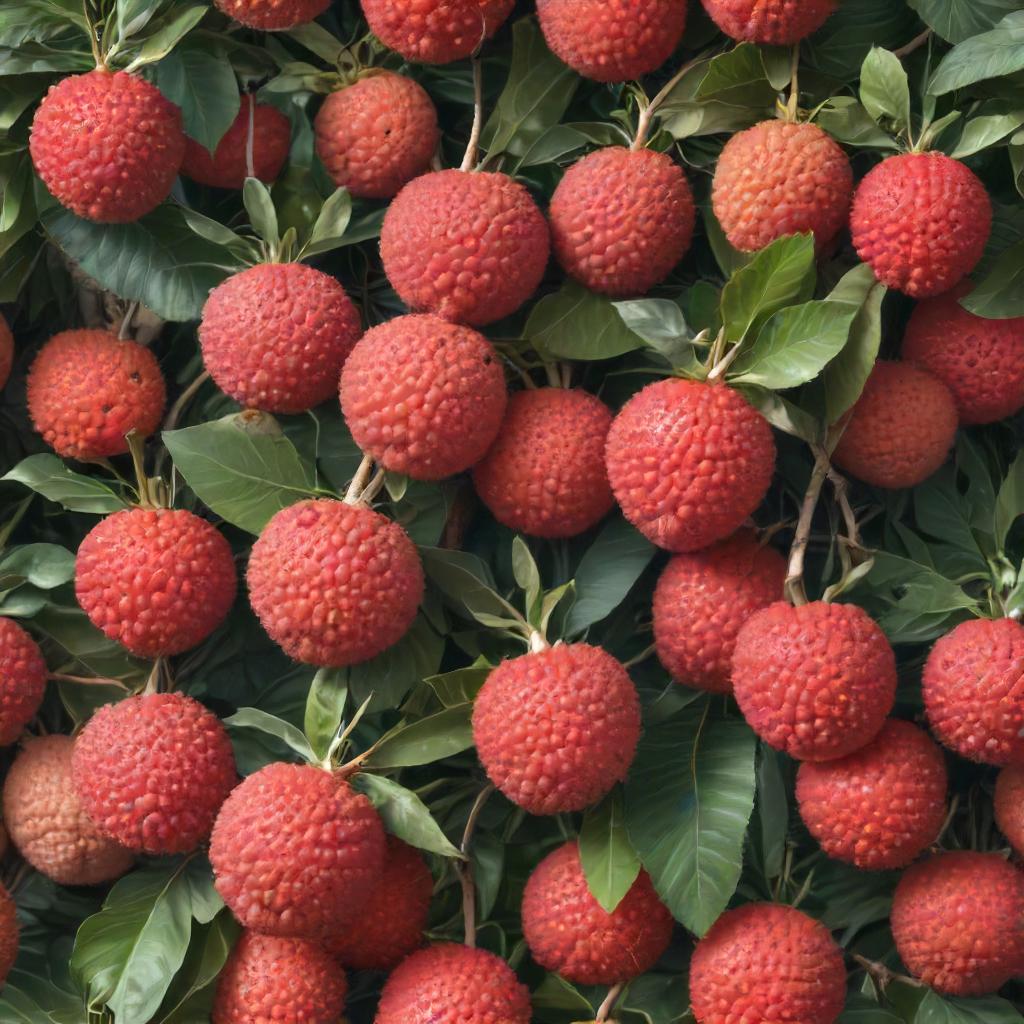
Introduction to Litchi
Litchi, also spelled lychee, is a tropical fruit native to the Guangdong and Fujian provinces of China. It belongs to the soapberry family, Sapindaceae. The fruit is round or oval, with a rough, red rind that is inedible but easily peeled away. Inside, the flesh is translucent and juicy, surrounding a single large seed. Litchi has a sweet, fragrant flavor, often described as a blend of grape and pear.
Benefits of Consuming Litchi
-
Nutrients:
-
Litchis are a good source of vitamins C and B6, niacin, riboflavin, folate, copper, potassium, phosphorus, magnesium, and manganese.
-
-
Boosts Immunity:
-
The high vitamin C content helps strengthen the immune system, aiding in the prevention of infections and diseases.
-
-
Antioxidant Properties:
-
Litchis contain antioxidants such as vitamin C, flavonoids, and polyphenols, which help protect cells from damage caused by free radicals.
-
-
Supports Digestion:
-
The dietary fiber in litchis aids in digestion and helps prevent constipation by promoting regular bowel movements.
-
-
Heart Health:
-
Potassium in litchis helps regulate blood pressure and heart rate, while the antioxidants support overall cardiovascular health.
-
-
Skin Health:
-
Vitamin C and other antioxidants in litchis promote healthy, glowing skin by fighting oxidative stress and supporting collagen production.
-
-
Hydration:
-
Litchis have a high water content, which helps keep the body hydrated, especially in hot weather.
-
-
Weight Management:
-
Being low in calories and high in water content, litchis can be a healthy snack for those looking to manage their weight.
-
Disadvantages of Consuming Litchi
-
High Sugar Content:
-
Litchis contain a significant amount of natural sugars, which can be problematic for people with diabetes or those trying to manage their blood sugar levels.
-
-
Allergic Reactions:
-
Some individuals may be allergic to litchis, experiencing symptoms such as itching, swelling, or even more severe reactions.
-
-
Toxicity Concerns:
-
Unripe litchis contain a toxin called hypoglycin A, which can cause hypoglycemia (low blood sugar). This is particularly dangerous for malnourished children, as seen in some cases in India.
-
-
Overconsumption Risks:
-
Eating too many litchis, especially on an empty stomach, can cause a sudden drop in blood sugar levels, leading to dizziness, nausea, or even more serious health issues.
-
-
Interaction with Medications:
-
The high vitamin C content can interfere with the absorption of certain medications, such as anticoagulants, making them less effective.
-
-
Digestive Issues:
-
Consuming litchis in large quantities can lead to digestive discomfort, such as bloating or diarrhea, due to their high fiber content.
-
Conclusion
Litchis are a delicious and nutritious fruit that offer numerous health benefits, from boosting immunity to supporting heart health. However, they should be consumed in moderation due to their high sugar


Leave a Reply