Benefits of a Plant-Based Diet
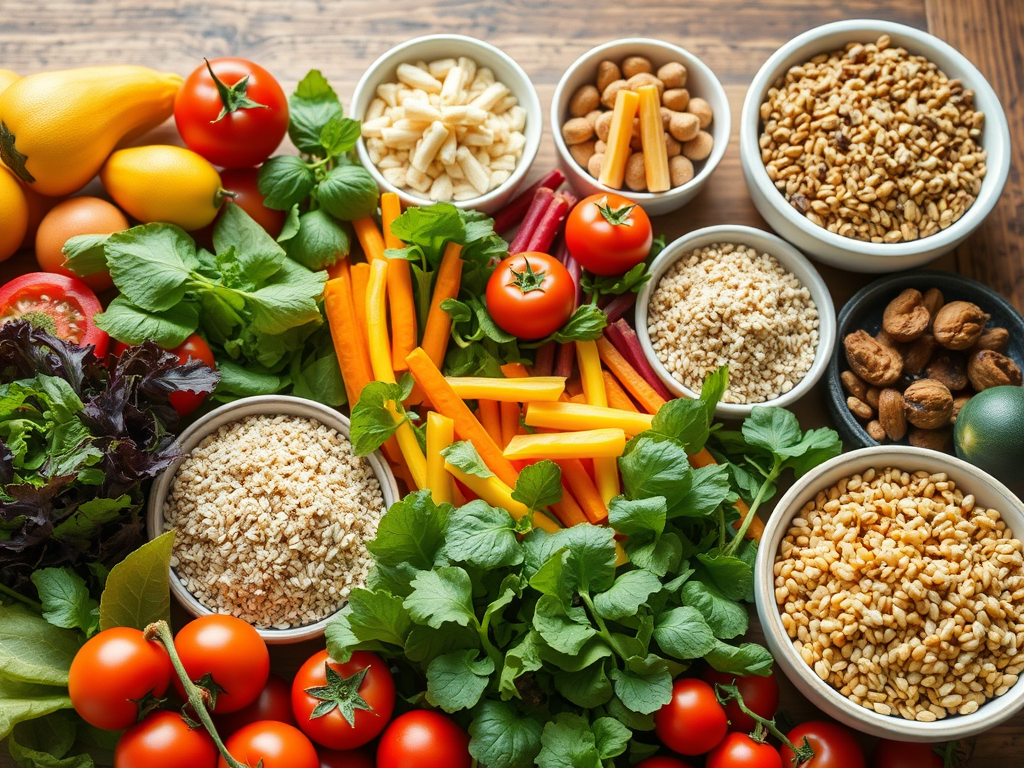
A plant-based diet emphasizes the consumption of whole, minimally processed plant foods, including vegetables, fruits, grains, legumes, nuts, and seeds, while limiting or excluding animal products. This dietary approach has gained popularity for its significant health, environmental, and ethical benefits. Here’s an in-depth look at the advantages of adopting a plant-based lifestyle.
1. Improved Physical Health
a. Lower Risk of Chronic Diseases
A plant-based diet is strongly associated with a reduced risk of many chronic illnesses, including heart disease, diabetes, and cancer.
-
Cardiovascular Health
Studies show that diets rich in fruits, vegetables, and whole grains lower blood pressure, reduce cholesterol levels, and improve heart health. The high fiber content and absence of saturated fats common in animal products are key contributors.
Example: The Adventist Health Study demonstrated that vegetarians had a 42% lower risk of heart disease compared to non-vegetarians. -
Type 2 Diabetes Prevention
Plant-based diets improve insulin sensitivity and reduce the risk of developing Type 2 diabetes. Whole plant foods provide a low glycemic index and are rich in fiber, helping regulate blood sugar levels. -
Cancer Prevention
The World Health Organization (WHO) recognizes that processed meats are carcinogenic, while a diet rich in plant-based foods provides protective antioxidants and phytochemicals that can lower cancer risk.
b. Weight Management
Plant-based diets are naturally lower in calorie density, making them effective for weight management without the need for strict portion control. The fiber in plant-based foods promotes satiety, reducing overall calorie intake.
c. Improved Gut Health
A diverse microbiome is essential for overall health, and plant-based diets are rich in prebiotics from fiber, which nourish beneficial gut bacteria. Improved gut health correlates with better digestion, enhanced immunity, and reduced inflammation.
d. Longevity
Numerous studies have linked plant-based diets to increased lifespan. The Blue Zones (regions where people live the longest) feature predominantly plant-based eating patterns.
2. Environmental Sustainability
The environmental impact of animal agriculture is a growing global concern. Shifting to a plant-based diet offers significant benefits for the planet.
a. Reduced Greenhouse Gas Emissions
Livestock farming is responsible for approximately 14.5% of global greenhouse gas emissions, more than the transportation sector. Plant-based diets significantly lower carbon footprints.
b. Water Conservation
Animal farming is highly water-intensive. Producing 1 kg of beef requires about 15,000 liters of water, compared to 1,800 liters for 1 kg of wheat. Adopting a plant-based diet can substantially reduce water usage.
c. Preservation of Biodiversity
Animal farming leads to deforestation, habitat destruction, and loss of biodiversity. Transitioning to plant-based eating supports sustainable land use and conservation efforts.
d. Reduced Resource Depletion
Producing plant-based foods typically requires fewer natural resources, such as land and energy, compared to animal agriculture. This is crucial as global populations grow and resources become scarcer.
3. Ethical Considerations
a. Animal Welfare
The ethical implications of factory farming and animal slaughter are significant. A plant-based diet aligns with values of compassion and reduces reliance on practices that harm animals.
b. Social Justice
The industrial food system often exploits workers in animal agriculture. Supporting plant-based food systems can promote fairer labor practices and healthier working conditions.
4. Mental and Emotional Well-being
a. Reduced Risk of Depression
Some studies suggest that plant-based diets, rich in fruits, vegetables, and omega-3-rich seeds, can lower inflammation and reduce symptoms of depression and anxiety.
b. Greater Mindfulness
Many individuals who adopt plant-based diets report an increased sense of alignment between their values and actions, promoting emotional satisfaction and reduced cognitive dissonance.
5. Accessibility and Affordability
Plant-based diets can be cost-effective and accessible when focusing on whole foods such as beans, lentils, rice, and seasonal produce. These staples are often less expensive than meat, dairy, or highly processed foods, making plant-based eating viable for many households.
6. Myths and Misconceptions
a. Protein Deficiency
Contrary to popular belief, plant-based diets can provide ample protein through foods like legumes, tofu, tempeh, seitan, nuts, seeds, and whole grains.
b. Nutritional Deficiencies
While plant-based diets can be nutrient-rich, attention is needed for certain vitamins and minerals, such as Vitamin B12, iron, and omega-3 fatty acids. Supplementation or fortified foods can easily address these concerns.
7. Culinary Diversity and Enjoyment
The global rise of plant-based eating has spurred a culinary renaissance, showcasing the versatility and deliciousness of plant-based foods. Ethnic cuisines often feature plant-based dishes that are both flavorful and nutritious, such as:
- Mediterranean: Hummus, tabbouleh, falafel
- Indian: Lentil dal, vegetable curries
- East Asian: Stir-fried vegetables, tofu dishes, miso soup
- Latin American: Bean-based stews, guacamole, salsa
8. Transitioning to a Plant-Based Diet
a. Start Small
Incorporate meatless meals once or twice a week to ease into the change.
b. Educate Yourself
Understanding nutrition helps ensure a balanced diet. Focus on variety to cover all essential nutrients.
c. Explore Alternatives
Experiment with plant-based substitutes like almond milk, soy yogurt, and plant-based meats for familiar textures and flavors.
d. Seek Community
Join plant-based groups or online communities for recipes, tips, and support.
9. Challenges and Solutions
a. Social and Cultural Barriers
Navigating social gatherings and cultural expectations can be challenging. Communicating your dietary choices and bringing plant-based dishes to share can help.
b. Lack of Availability
In some regions, access to fresh produce may be limited. Canned, frozen, and dried alternatives can be just as nutritious and accessible.
c. Misinformation
Sorting through contradictory information can be daunting. Rely on trusted, evidence-based resources.
10.
11. Enhanced Athletic Performance and Recovery
A plant-based diet can significantly benefit athletes and physically active individuals by supporting performance and recovery:
a. Improved Energy Levels
Plant-based diets are rich in complex carbohydrates, the primary energy source for physical activity. Foods like whole grains, sweet potatoes, and bananas provide sustained energy for training and endurance.
b. Reduced Inflammation
Plant foods are high in antioxidants and anti-inflammatory compounds, which can help reduce muscle soreness, speed up recovery, and improve overall athletic performance.
c. Optimized Hydration
Many plant-based foods, such as fruits and vegetables, have high water content, contributing to better hydration and electrolyte balance, crucial for athletic performance.
d. Lean Muscle Maintenance
Contrary to common myths, plant-based diets provide adequate protein for muscle maintenance and growth through sources like tofu, tempeh, legumes, quinoa, and plant-based protein powders. Elite athletes such as Venus Williams and Novak Djokovic have successfully adopted plant-based diets, highlighting their compatibility with high-performance lifestyles.
Conclusion
The benefits of a plant-based diet extend far beyond personal health, encompassing environmental sustainability, ethical responsibility, and social well-being. While transitioning to a plant-based lifestyle may require adjustments, the long-term rewards are worth the effort. By embracing the abundance of plant-based foods available, individuals can contribute to a healthier, more compassionate, and sustainable future.


Leave a Reply