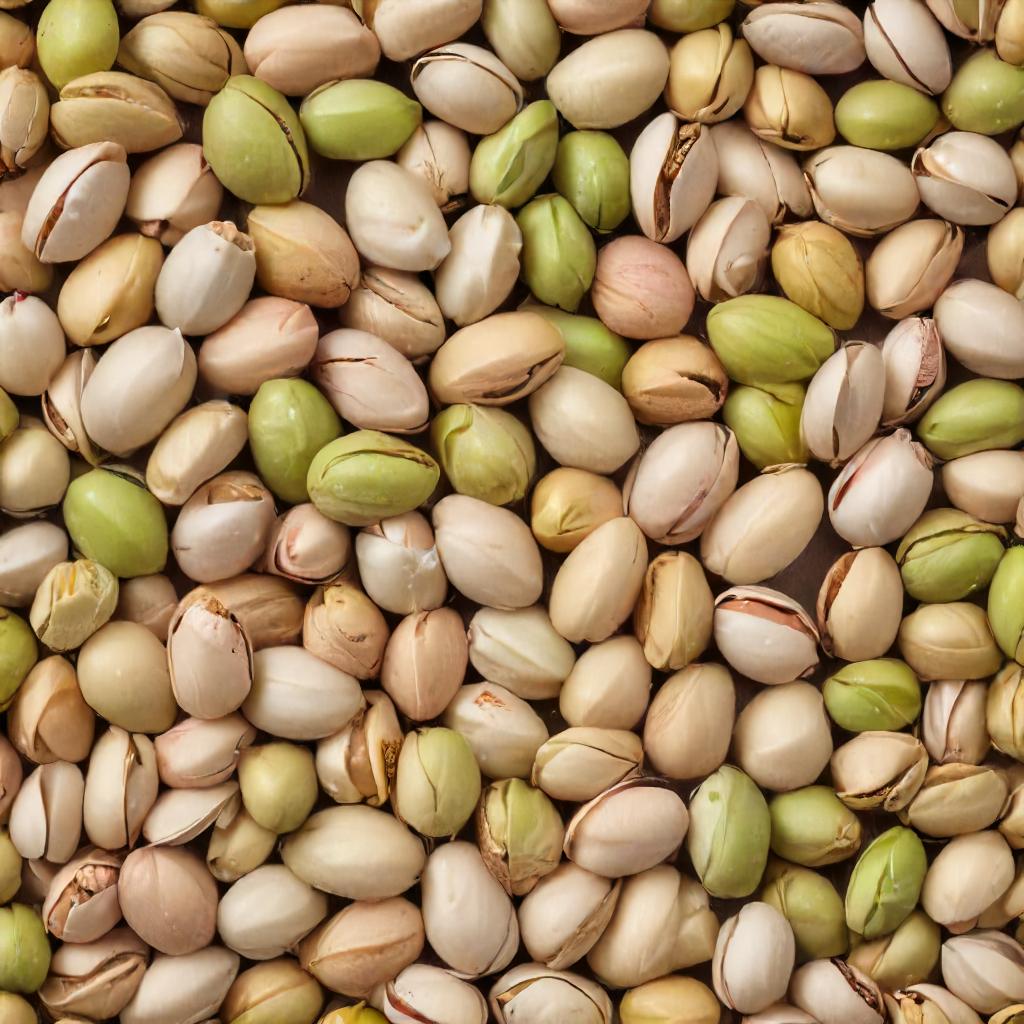
Introduction to Pistachios
Pistachios are small, nutty seeds derived from the fruit of the Pistacia vera tree, which is native to Central Asia and the Middle East. These green-hued nuts are not only delicious but also packed with nutrients. They are typically consumed as snacks, added to desserts, or used in cooking to enhance the flavor and texture of various dishes.
Benefits of Consuming Pistachios
-
Nutrient-Rich: Pistachios are loaded with essential nutrients. They are an excellent source of protein, fiber, vitamins (like B6), and minerals (such as potassium and magnesium).
-
Heart Health: Consuming pistachios can support heart health by lowering bad cholesterol levels (LDL) and increasing good cholesterol levels (HDL). The high content of monounsaturated and polyunsaturated fats, along with antioxidants like lutein, contribute to this benefit.
-
Weight Management: Despite being energy-dense, pistachios can aid in weight management. The fiber and protein content help promote a feeling of fullness, which can reduce overall calorie intake.
-
Blood Sugar Control: Pistachios have a low glycemic index, making them suitable for people with diabetes. They help control blood sugar levels by reducing glucose absorption and improving insulin sensitivity.
-
Antioxidant Properties: Pistachios contain antioxidants such as vitamin E and carotenoids, which help protect cells from damage caused by free radicals.
-
Eye Health: The carotenoids, lutein, and zeaxanthin present in pistachios are beneficial for eye health, reducing the risk of age-related macular degeneration.
-
Digestive Health: The high fiber content in pistachios supports healthy digestion and promotes gut health by fostering beneficial gut bacteria.
Disadvantages of Consuming Pistachios
-
Caloric Density: Pistachios are high in calories, and consuming them in large quantities can lead to weight gain if not balanced with other dietary components.
-
Allergies: Some individuals may be allergic to pistachios, leading to symptoms such as itching, swelling, gastrointestinal discomfort, or even anaphylaxis in severe cases.
-
Sodium Content: Many commercially available pistachios are salted, which can contribute to high sodium intake. Excess sodium is linked to hypertension and other cardiovascular issues.
-
Risk of Aflatoxins: Like other nuts, pistachios can be contaminated with aflatoxins, a type of toxin produced by certain molds. Proper storage and quality control are essential to mitigate this risk.
-
Oxalates and Kidney Stones: Pistachios contain oxalates, which can contribute to the formation of kidney stones in susceptible individuals.
Conclusion
Pistachios are a nutritious and versatile food that can offer numerous health benefits when consumed in moderation. However, it’s important to be mindful of potential disadvantages, such as their calorie content and the possibility of allergies. Opting for unsalted, high-quality pistachios and incorporating them into a balanced diet can help maximize their health benefits.

Leave a Reply