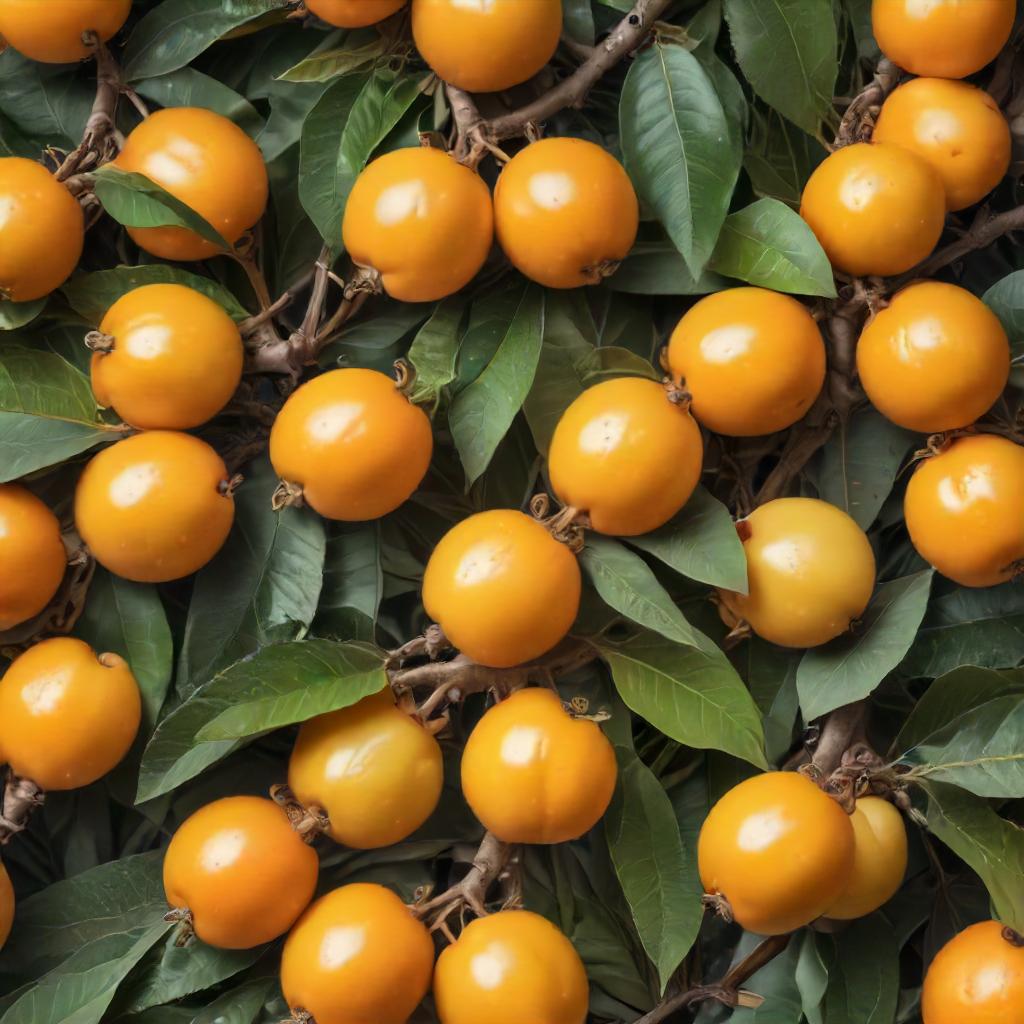
Introduction to Loquat
Loquat (Eriobotrya japonica) is a fruit-bearing tree native to Japan and China.It belongs to the Rosaceae family, which also includes apples, pears, and quinces. The loquat tree is known for its large, dark green leaves and clusters of small, yellow to orange fruits that have a sweet, tangy flavor. Loquats are typically harvested in the spring and early summer and are enjoyed fresh or used in various culinary applications, such as jams, jellies, and desserts.
Benefits of Consuming Loquat
-
Nutrient: Loquats are rich in vitamins A, C, and B6, as well as dietary fiber, potassium, and antioxidants. These nutrients are essential for maintaining good health, boosting the immune system, and reducing the risk of chronic diseases.
-
Digestive Health: The dietary fiber in loquats aids digestion, prevents constipation, and promotes regular bowel movements. It also supports a healthy gut microbiome.
-
Antioxidant Properties: The fruit contains several antioxidants, including flavonoids and carotenoids, which help protect the body from oxidative stress and reduce inflammation.
-
Immune Support: Vitamin C in loquats strengthens the immune system, promotes skin health, and aids in the absorption of iron from plant-based foods.
-
Weight Management: Low in calories and high in fiber, loquats can be a good addition to a weight management plan, as they provide satiety and prevent overeating.
Disadvantages of Consuming Loquat
-
Allergic Reactions: Some individuals may be allergic to loquats, experiencing symptoms such as itching, swelling, or difficulty breathing. It is important to be aware of any allergic tendencies before consuming the fruit.
-
Cyanogenic Glycosides: Loquat seeds contain cyanogenic glycosides, which can release cyanide when metabolized. Consuming large quantities of seeds can be toxic and should be avoided.
-
High Sugar Content: While loquats are nutritious, they also contain natural sugars. Individuals with diabetes or those monitoring their sugar intake should consume loquats in moderation.
-
Gastrointestinal Issues: Overconsumption of loquats can lead to gastrointestinal discomfort, including bloating, diarrhea, and stomach cramps due to their fiber content.
-
Pesticide Residues: Non-organic loquats may have pesticide residues, which can be harmful if consumed in large amounts. Washing the fruit thoroughly or choosing organic varieties can mitigate this risk.
In conclusion, loquats offer numerous health benefits when consumed in moderation. However, it is important to be mindful of potential allergies, seed toxicity, and sugar content to enjoy the fruit safely.


Leave a Reply