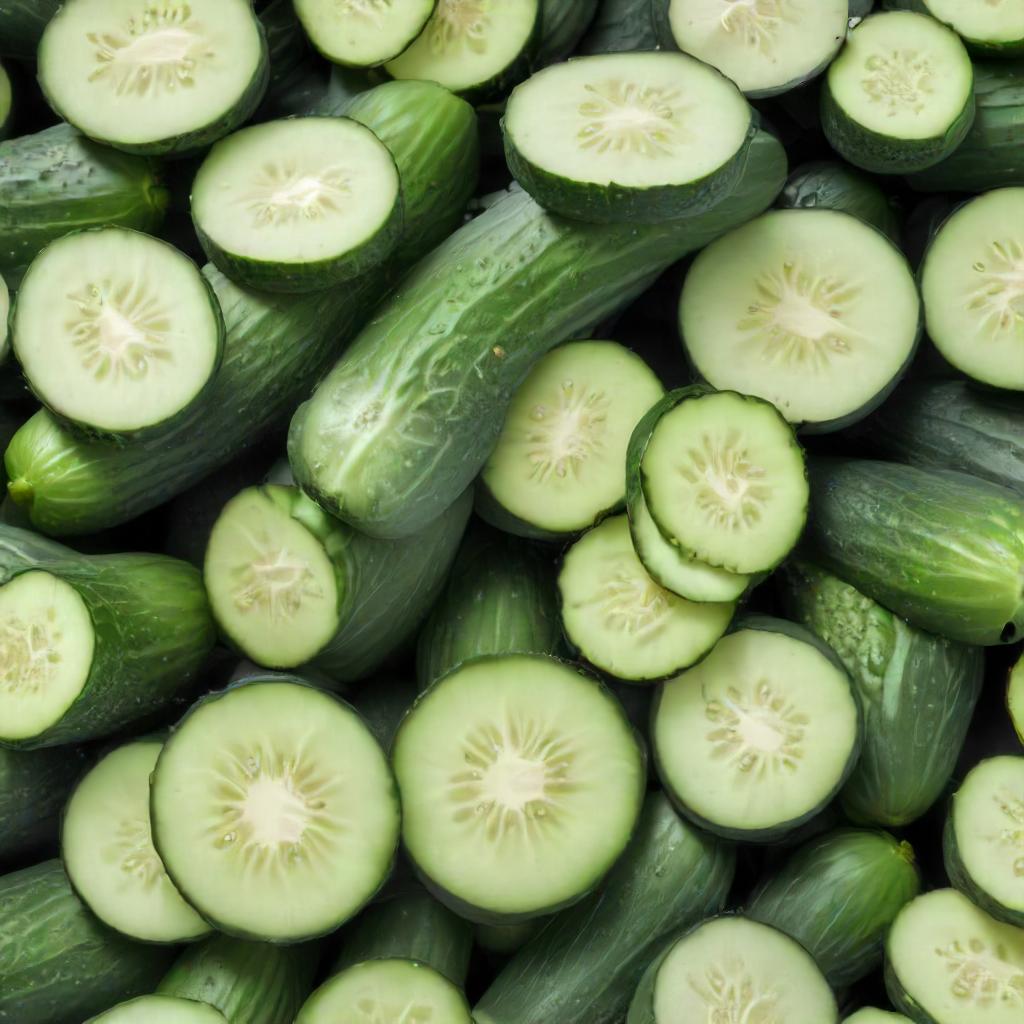
Introduction to Cucumber
Cucumber (Cucumis sativus) is a widely cultivated plant belonging to the gourd family, Cucurbitaceae. It is a creeping vine that bears cylindrical fruits, which are widely used as vegetables. Cucumber is believed to have originated in South Asia but is now grown in many parts of the world. There are three main varieties: slicing, pickling, and burpless/seedless. They are typically eaten raw in salads, sandwiches, or as a garnish, but can also be pickled.
Benefits of Consuming Cucumber
-
Hydration: Cucumbers are composed of about 95% water, making them an excellent food for hydration. Consuming cucumbers can help meet daily fluid needs, especially during hot weather.
-
Nutrient: They are low in calories but high in essential nutrients like vitamins K and C, potassium, and magnesium.
-
Antioxidant Properties: Cucumbers contain antioxidants, including flavonoids and tannins, which can help reduce the risk of chronic diseases by preventing oxidative damage.
-
Digestive Health: The high water content and fiber in cucumbers aid in digestion and help prevent constipation. The fiber can also promote a feeling of fullness, which can help control appetite.
-
Weight Management: Due to their low-calorie and high-water content, cucumbers can be a filling snack that aids in weight management.
-
Skin Health: Cucumber slices are often used topically to reduce puffiness and dark circles around the eyes. The high water content and vitamins may help soothe skin irritations and reduce swelling.
-
Blood Sugar Management: Some studies suggest that cucumbers may help manage blood sugar levels and reduce complications of diabetes.
Disadvantages of Consuming Cucumber
-
Digestive Issues: For some people, cucumbers can cause bloating, gas, or other digestive discomforts. This is due to the presence of cucurbitacin, a compound that can be difficult to digest.
-
Nutrient Imbalance: Relying too heavily on cucumbers for nutrition can lead to an imbalance, as they are low in protein, fat, and certain other essential nutrients.
-
Pesticide Residue: Cucumbers are often treated with pesticides, which can leave residues on the skin. Choosing organic cucumbers or thoroughly washing and peeling them can reduce this risk.
-
Nutrient Interference: Cucumbers contain a compound called cucurbitacin, which may interfere with the absorption of certain nutrients if consumed in very large quantities. However, this is generally not a concern for most people.
-
Allergies: Although rare, some people may have an allergic reaction to cucumbers, experiencing symptoms such as itching, swelling, or difficulty breathing.
In summary, cucumbers are a hydrating, low-calorie food with several health benefits, including providing essential nutrients and aiding in digestion. However, they may cause digestive issues for some and should be consumed with proper hygiene to avoid contamination.


Leave a Reply