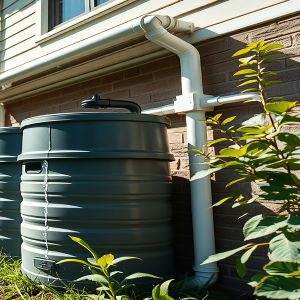
Rainwater harvesting is an effective and sustainable way to collect and store rainwater for household use. This practice has gained global importance due to water scarcity issues and the need to reduce reliance on freshwater sources. By understanding how to set up and maintain a rainwater harvesting system, you can not only save on water bills but also contribute to environmental conservation.
1. Introduction to Rainwater Harvesting
Rainwater harvesting (RWH) is the process of collecting and storing rainwater that would otherwise run off. It is a method that dates back thousands of years, used across different cultures to cope with water shortages. Today, RWH is considered a key technique for managing water sustainably, especially in regions prone to drought or limited water supply. Harvesting rainwater can reduce pressure on municipal water systems, mitigate urban flooding, and help recharge groundwater.
Types of Rainwater Harvesting
- Rooftop Rainwater Harvesting: Collecting rainwater from rooftops via gutters and directing it into storage tanks.
- Surface Runoff Harvesting: Capturing rainwater from driveways, gardens, and other open areas for direct storage or groundwater recharge.
- Groundwater Recharge: Channeling rainwater into the ground through structures like soak pits, infiltration wells, or recharge trenches to replenish underground water tables.
2. Benefits of Rainwater Harvesting at Home
- Water Conservation: RWH provides an alternative water source, reducing dependency on municipal water supplies.
- Cost Savings: It lowers water bills, especially where water is metered or scarce.
- Flood Prevention: Collecting rainwater reduces surface runoff, which can prevent flash floods and reduce erosion.
- Environmental Protection: By reducing reliance on natural water bodies and aquifers, RWH helps preserve local ecosystems.
- Self-sufficiency: It allows homeowners to be more resilient during water shortages or droughts, providing a backup water source.
3. Components of a Rainwater Harvesting System
A typical rainwater harvesting system consists of the following components:
- Catchment Area (Roof): The area where rainwater is initially collected. Rooftops are the most common and effective catchment surfaces, although the material, slope, and size of the roof affect the volume and quality of water collected.
- Gutters and Downspouts: Channels that direct rainwater from the roof into storage. Gutters should have sufficient slope and capacity to handle heavy rainfall.
- First Flush Diverter: A device that removes the initial runoff, which often contains debris and contaminants from the roof, directing cleaner water to storage tanks.
- Filters: Installed to prevent contaminants like leaves, dirt, or insects from entering the storage tanks.
- Storage Tank: The main storage facility, often made from materials like plastic, concrete, or metal. Tanks should be durable, UV-resistant, and properly sealed to prevent contamination and evaporation.
- Conveyance System: Pipes or hoses that transfer water from the catchment to storage and from storage to usage points.
- Overflow System: Ensures excess water is diverted away from the tank to prevent spillage or tank damage, ideally directed to a recharge pit or other safe discharge point.
4. Designing a Rainwater Harvesting System for Your Home
Designing an efficient RWH system involves several steps. Here’s a guide to help you set up an effective system:
Step 1: Estimate Your Water Needs
Estimate your household’s daily water usage, which varies based on family size, climate, and lifestyle. You can use collected rainwater for non-potable uses like gardening, flushing toilets, laundry, and cleaning.
Step 2: Calculate the Potential Rainwater Yield
The amount of rainwater you can collect depends on:
- Catchment area size: Larger rooftops collect more water.
- Rainfall: Higher annual rainfall means more water available for collection.
- Runoff coefficient: Factors in losses due to evaporation or imperfect collection (typically around 0.8-0.9 for rooftops).
The formula for estimating rainwater yield is: Rainwater Yield=Catchment Area×Rainfall×Runoff Coefficient\text{Rainwater Yield} = \text{Catchment Area} \times \text{Rainfall} \times \text{Runoff Coefficient}Rainwater Yield=Catchment Area×Rainfall×Runoff Coefficient
For example, if you have a 100 square meter roof, receive 500 mm of rainfall annually, and use a runoff coefficient of 0.9, you could potentially collect 45,000 liters per year.
Step 3: Select a Storage Tank
Choose a tank that suits your budget, water needs, and available space. Tanks should be large enough to store collected water but small enough to fit within your designated area. Make sure they are designed for easy cleaning and maintenance.
Step 4: Install a First Flush Diverter
The first flush diverter is essential to remove the initial contaminants. This device channels the first few millimeters of runoff (typically 1-3 mm) away from the main tank, reducing water quality risks.
Step 5: Install Filtration
A filtration system is critical for ensuring clean, usable water. Basic filters can block debris, leaves, and insects. Advanced filters can also remove finer particles and bacteria, depending on water quality needs.
Step 6: Overflow and Drainage Management
Ensure your system has an overflow mechanism to manage excess rainwater during heavy rainfall. Direct this overflow to a groundwater recharge pit or a garden area, where it can safely soak into the ground and replenish water tables.
5. Maintenance of Rainwater Harvesting Systems
Regular maintenance is essential for keeping an RWH system functional and clean. Here are some maintenance tips:
- Clean Gutters and Roofs Regularly: Remove leaves, bird droppings, and other debris to keep water clean.
- Inspect First Flush Diverters: Clean out diverters after each significant rainfall to ensure optimal function.
- Check for Leaks: Inspect the storage tank, pipes, and fittings for leaks, which can waste water or allow contaminants in.
- Drain and Clean Storage Tanks Periodically: Prevent algae, bacteria, and sediment build-up by thoroughly cleaning the tank once or twice a year.
- Replace Filters as Needed: Filters wear out over time and may need periodic replacement to maintain water quality.
6. Uses of Harvested Rainwater
Depending on the quality of water and filtration, harvested rainwater can be used in various household applications:
- Non-potable Uses: Ideal for watering plants, flushing toilets, washing cars, and cleaning floors. This significantly reduces reliance on treated, potable water.
- Potable Uses (with Advanced Filtration): With proper treatment (such as UV filtration, carbon filters, or boiling), harvested rainwater can be used for drinking and cooking.
- Groundwater Recharge: Rainwater can also be directed into the ground through recharge pits, helping to replenish local aquifers.
7. Advantages and Disadvantages of Rainwater Harvesting
Advantages
- Environmentally Friendly: Reduces reliance on municipal water systems, lowers energy costs related to water treatment, and reduces surface runoff.
- Cost-Effective: While installation costs can be high, long-term savings on water bills can offset the initial investment.
- Reliable Water Source: Provides an alternative water supply, particularly useful during dry spells or water restrictions.
Disadvantages
- High Initial Costs: Depending on the system size and components, installation can be costly.
- Maintenance Requirements: RWH systems require regular maintenance to function properly and prevent contamination.
- Water Quality Concerns: If not properly managed, harvested rainwater may contain contaminants, especially in areas with high pollution.
8. Cost Considerations
The cost of a rainwater harvesting system varies depending on system complexity, tank size, and materials used. Basic rooftop systems can be inexpensive, while larger systems may require a significant investment. Consider the long-term benefits, including reduced water bills and environmental impact, when assessing costs.
9. Legal and Regulatory Considerations
Before setting up a rainwater harvesting system, check local regulations. Some regions encourage RWH by offering rebates, while others may have restrictions based on local water rights and management policies.
10. Future of Rainwater Harvesting
With increasing urbanization and climate change leading to more erratic rainfall patterns, RWH is expected to grow as a sustainable water solution. Innovations like smart water sensors, automated filtration, and app-controlled systems are making RWH more efficient and accessible. As awareness grows, more governments and communities are likely to support rainwater harvesting initiatives.
Conclusion
Rainwater harvesting at home offers numerous benefits, from water conservation to environmental protection. Setting up a system may require careful planning and some investment, but the long-term gains—both financially and environmentally—make it worthwhile. By collecting and using rainwater, you contribute to sustainable water management and become more resilient in the face of water shortages.
Whether you need water for drinking, irrigation or to reduce your water bill, rainwater harvesting is an impressive step towards a sustainable future, and with the right system, anyone can harness the power of rain at home.Rainwater harvesting is a practical, cost-effective, and sustainable approach to managing water resources at home. By capturing and reusing rainwater, households can reduce their environmental impact, conserve water, and save on utility bills. This ancient technique, combined with modern technology, is increasingly becoming a solution to address water scarcity and promote environmental sustainability in urban and rural settings alike. With the right planning, maintenance, and regulatory awareness, rainwater harvesting can benefit both the household and the broader community.
Contact
Welcome to a world of limitless possibilities, where the journey is as exhilarating as the destination, and where every moment is an opportunity to make your mark on the canvas of existence. The only limit is the extent of your imagination.


Leave a Reply