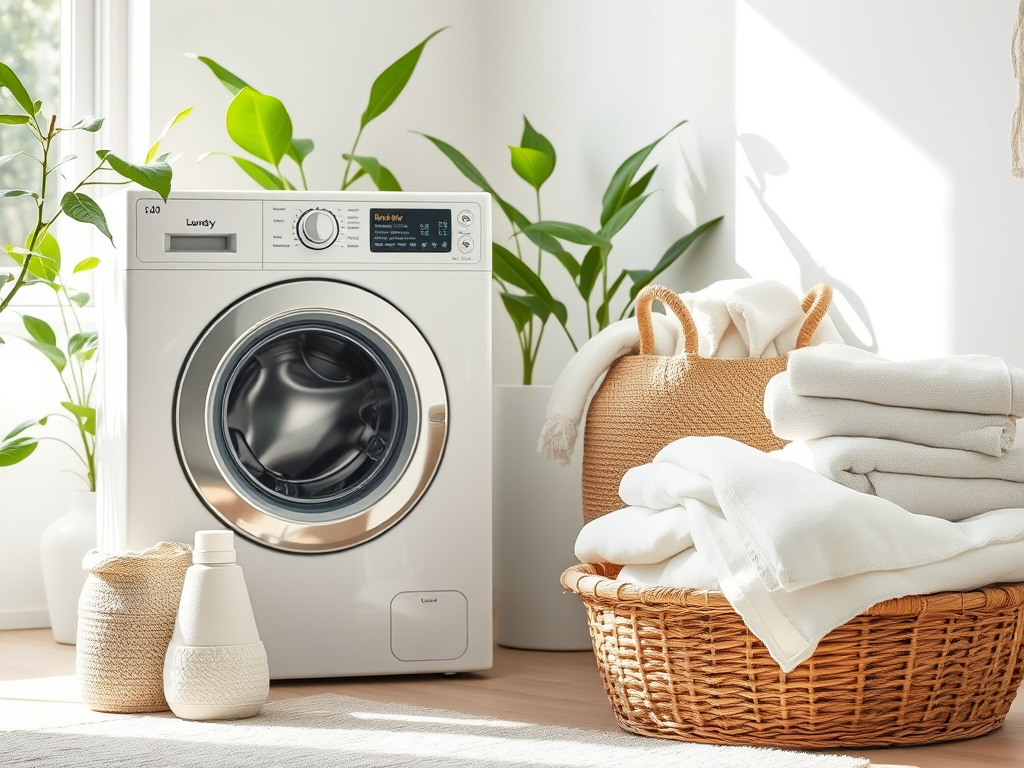
Eco-Friendly Laundry for Clothes: A Complete Guide
Eco-Friendly Laundry practices are a great way to reduce environmental impact while keeping clothes clean and fresh.From energy and water consumption to the chemicals we release into waterways, our laundry practices have a lasting impact on the planet. Thankfully, adopting a green laundry routine can help reduce your environmental footprint, save money, and even prolong the lifespan of your clothes. Here are some practical, eco-friendly laundry tips:
1. Use Cold Water Whenever Possible
Heating water for laundry is one of the most energy-intensive parts of the washing process. According to the U.S. Department of Energy, about 90% of the energy used for laundry goes into heating the water. Washing clothes in cold water not only reduces energy consumption but also helps preserve fabric colors and prevent shrinkage.
- When to use hot water: Stick to cold water unless you’re dealing with heavily soiled items, bed linens, or towels that might need a hot wash to kill bacteria and dust mites.
- Detergents designed for cold water: Many detergents now work effectively in cold water, so look for “cold water” formulas.
2. Choose Eco-Friendly Detergents
Traditional laundry detergents often contain chemicals like phosphates, surfactants, and artificial fragrances, which can be harmful to aquatic life and contribute to water pollution. Eco-friendly detergents are formulated to be biodegradable, with minimal impact on the environment.
- What to look for in eco-friendly detergents: Opt for plant-based or biodegradable ingredients. Brands that avoid phosphates, synthetic fragrances, and chlorine are better for the environment.
- Concentrated formulas: Concentrated detergents use less plastic packaging and are more eco-friendly since they require less water in their formulation.
- Consider DIY detergents: Simple ingredients like washing soda, baking soda, and castile soap can make effective, green detergents.
3. Opt for Natural Fabric Softeners
Fabric softeners and dryer sheets may leave clothes feeling soft, but many contain artificial fragrances, petroleum-based ingredients, and chemicals that can irritate sensitive skin and pollute water.
- Natural alternatives: Vinegar can be an excellent natural fabric softener. Add half a cup to the rinse cycle; it helps break down detergent residue and softens clothes without leaving a smell. Wool dryer balls can also help reduce static cling and soften clothes without the need for chemicals.
- Avoid single-use dryer sheets: They create unnecessary waste. Consider reusable dryer sheets or, if you prefer scent, try adding a few drops of essential oils to wool dryer balls.
4. Use the Right Amount of Detergent
Using too much detergent not only wastes money but also makes it harder for the washing machine to rinse it all out. Detergent residue on clothes can cause skin irritation and make fabrics wear out more quickly. Moreover, excess detergent leads to more water usage as the machine works harder to rinse it out.
- Follow guidelines: Most detergents are designed for high efficiency (HE) washers, meaning you’ll need only a small amount. Avoid the temptation to add extra, especially for lightly soiled clothes.
- Over-sudsing issue: Too much detergent can also lead to “over-sudsing,” which reduces the effectiveness of your washing machine and shortens its lifespan.
5. Choose Energy-Efficient Appliances
If you’re in the market for a new washing machine or dryer, look for the ENERGY STAR label, which indicates that the appliance meets energy efficiency standards.
- Front-load washers: Front-loading machines generally use less water and energy compared to top-loading models.
- Dryer efficiency: While dryers consume a significant amount of energy, energy-efficient models use sensors to detect when clothes are dry, which can prevent over-drying and save energy.
6. Wash Full Loads but Don’t Overload
Washing machines are designed to operate most efficiently with full loads, as they use a similar amount of water and energy regardless of the load size. However, overloading can prevent proper washing and rinsing.
- Benefits of full loads: A full load helps you maximize water and energy usage, leading to fewer loads overall.
- Avoiding overloads: Ensure there’s enough room for water to circulate around the clothes so that they can wash and rinse effectively.
7. Air Dry When Possible
One of the simplest ways to reduce your laundry’s carbon footprint is to air dry clothes instead of using a dryer, which consumes a lot of energy.
- Outdoor drying: Use a clothesline or drying rack outdoors when possible. Sunlight is a natural whitener and deodorizer for clothes.
- Indoor drying: In colder months or if outdoor space is limited, set up a drying rack inside. To speed up drying, place the rack near a fan or in a well-ventilated area.
- Clothes dryers: If you need to use a dryer, use the “low heat” or “eco” settings and add dryer balls to reduce drying time.
8. Reduce Washing Frequency
Most clothing items don’t need to be washed after every use. Over-washing can wear out fabrics faster and leads to unnecessary water and energy use.
- Considerations by fabric: Jeans, jackets, and sweaters, for instance, often don’t need washing after every wear. Delicate items like silk and wool benefit from less frequent washes.
- Spot cleaning: For small stains, try spot cleaning with a gentle soap rather than throwing the item into the laundry. This will save water and energy and protect the garment’s material.
9. Wash Clothes Inside Out and in Shorter Cycles
Turning clothes inside out before washing helps protect colors and fabric finishes, especially for items like jeans and screen-printed tees.
- Shorter cycles: For lightly soiled clothes, shorter cycles can save water and energy and reduce wear and tear.
- Delicates cycle: Delicate fabrics benefit from shorter cycles, preserving their structure and appearance.
10. Go for Plastic-Free Laundry Solutions
Many laundry products come in plastic containers, which contribute to waste. Fortunately, plastic-free laundry options are available.
- Laundry pods and strips: These are single-use, dissolvable strips that replace liquid or powder detergents, reducing plastic waste.
- Refillable options: Some brands offer bulk or refillable laundry detergent options, allowing you to reuse containers and reduce waste.
- Eco-friendly packaging: Look for brands that use cardboard or compostable packaging.
11. Lower the Temperature in the Dryer
High dryer temperatures can weaken fabric fibers and shrink clothes, so using a lower heat setting can preserve clothes for longer and save energy.
- Use the “air dry” or “tumble dry” settings: These settings rely on air circulation rather than heat, which can be gentler on clothes.
- Sensor drying options: Many modern dryers have sensors to detect when clothes are dry. Use these options to prevent overdrying and save energy.
12. Choose a High-Efficiency Washing Machine
High-efficiency (HE) washing machines use up to 80% less water than traditional models. An HE machine uses less energy, as less water needs to be heated for each load.
- HE detergents: HE machines require HE-specific detergents, as they produce fewer suds and rinse out more efficiently in these water-efficient machines.
- Save on water: A standard washing machine may use up to 40 gallons of water per load, while an HE machine uses closer to 15 gallons, reducing water waste.
13. Regularly Maintain Your Washing Machine
A clean, well-maintained washing machine operates more efficiently, using less water and energy. Residue buildup can lead to an odor and reduce the machine’s performance.
- Vinegar cleaning cycle: Run an empty cycle with hot water and two cups of white vinegar monthly. This helps to remove soap scum, mineral deposits, and mildew.
- Wipe down the gasket and drum: After every wash, wipe down the gasket and drum to remove excess moisture and prevent mold growth.
14. Use Greywater Systems for Laundry
A greywater system captures water from the washing machine and recycles it for use in toilets or gardens, reducing water waste.
- Installing a greywater system: This is an advanced eco-friendly option that may require professional installation, depending on local plumbing codes and regulations.
- Benefits: Greywater systems can reduce household water consumption significantly, making them a worthwhile investment for eco-conscious households.
Conclusion
Incorporating green laundry habits into your routine helps minimize environmental impact while prolonging the life of your clothes. Whether you choose to air dry your clothes, switch to eco-friendly detergents, or opt for energy-efficient appliances, each small change contributes to a more sustainable lifestyle.


Leave a Reply