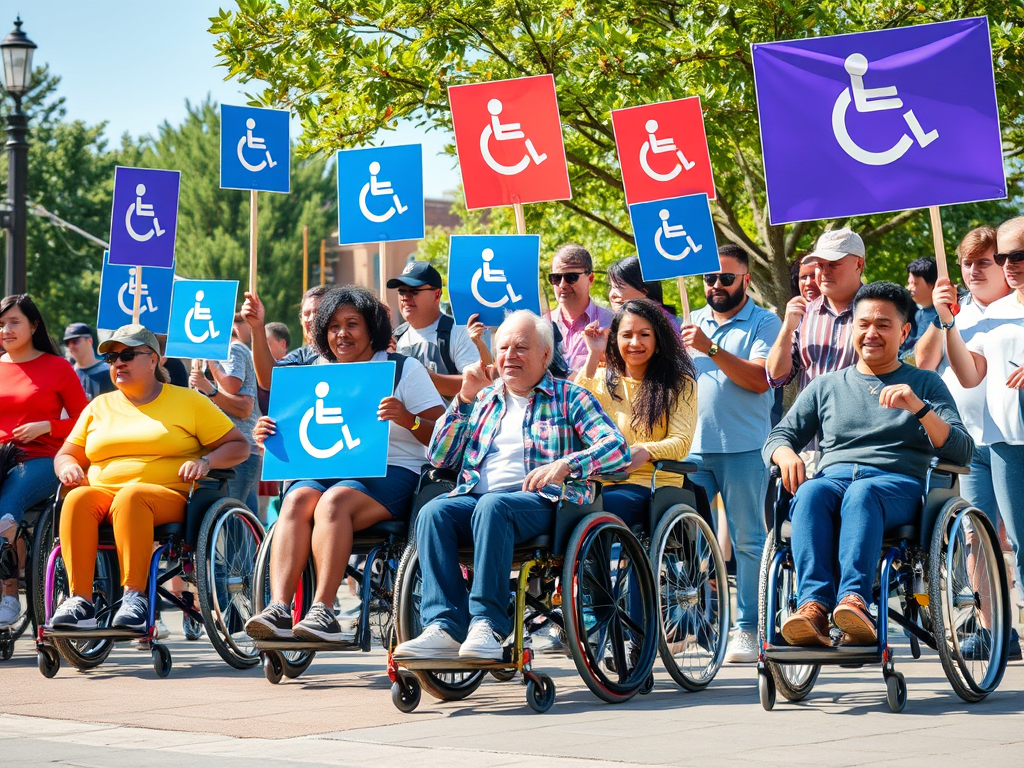
Disability Rights and Accessibility: A Comprehensive Overview
Disability rights and accessibility are critical pillars in creating a more inclusive and equitable society. They address the need for fair treatment, equal opportunities, and comprehensive accommodations for individuals with disabilities. These principles ensure that people with disabilities can fully participate in all aspects of life, including education, employment, social activities, and civic engagement. This essay explores the history, key principles, legislation, challenges, and the importance of advancing disability rights and accessibility.
Understanding Disability Rights
Definition and Scope
Disability rights refer to the legal, social, and moral entitlements that safeguard individuals with disabilities against discrimination and exclusion. Disabilities can be physical, sensory, intellectual, or mental health-related, and each may require different accommodations to ensure equal participation in society.
Historical Perspective
Historically, individuals with disabilities were often marginalized and institutionalized, facing neglect and exclusion. Societal attitudes viewed disability through a lens of charity rather than rights, perpetuating dependency and isolation. The 20th century marked a turning point, with advocacy movements pushing for recognition and the establishment of rights for people with disabilities.
The Social Model of Disability
The social model of disability shifts the focus from an individual’s impairment to societal barriers. It emphasizes that disability is created by systemic obstacles such as inaccessible infrastructure, discriminatory attitudes, and exclusionary practices. This model advocates for removing these barriers to foster an inclusive society.
Accessibility: A Fundamental Right
What is Accessibility?
Accessibility is the design of products, services, and environments to be usable by everyone, regardless of ability. It encompasses physical spaces, digital platforms, communication methods, and societal norms that accommodate diverse needs.
Key Components of Accessibility
- Physical Accessibility: Ensuring buildings, transportation, and public spaces are navigable for individuals with mobility impairments through ramps, elevators, and adaptive facilities.
- Digital Accessibility: Designing websites, applications, and digital tools that can be used by people with disabilities, such as screen reader compatibility, captioning, and keyboard navigation.
- Communication Accessibility: Providing alternatives like sign language interpretation, braille, or large print for individuals with sensory impairments.
- Attitudinal Accessibility: Cultivating societal understanding and reducing stigma through education and awareness.
Legislation Supporting Disability Rights and Accessibility
-
Americans with Disabilities Act (ADA) (1990): A landmark U.S. law prohibiting discrimination against individuals with disabilities in employment, public accommodations, transportation, and communication.
-
United Nations Convention on the Rights of Persons with Disabilities (UNCRPD) (2006): An international treaty promoting dignity, autonomy, and equality for individuals with disabilities.
-
Rehabilitation Act (1973): U.S. legislation mandating accessibility in federally funded programs and activities.
-
Equality Act (2010): A UK law ensuring equal treatment for individuals with disabilities, covering areas like employment, education, and public services.
Challenges to Disability Rights and Accessibility
Despite significant progress, several challenges persist:
- Inadequate Implementation of Laws: Many countries lack enforcement mechanisms to ensure compliance with disability rights legislation.
- Infrastructure Barriers: Public and private spaces often remain inaccessible, limiting mobility and participation.
- Digital Divide: The rapid pace of technological advancement has left many digital platforms inaccessible to people with disabilities.
- Economic Inequality: Higher unemployment rates and lower incomes among individuals with disabilities exacerbate social exclusion.
- Cultural Stigma: Negative perceptions and prejudices continue to hinder full inclusion.
Advancing Disability Rights and Accessibility
Inclusive Design
Inclusive design ensures products and environments are usable by everyone. For instance, universal design principles advocate creating spaces and tools that accommodate a wide range of abilities without requiring adaptation.
Technology as an Enabler
Innovative technologies like voice recognition, adaptive devices, and AI-powered accessibility tools are transforming the landscape. Examples include screen readers for visually impaired individuals and advanced prosthetics for mobility challenges.
Policy Advocacy
Governments and organizations must prioritize policies that promote accessibility. This includes funding for infrastructure improvements, mandating accessible design standards, and offering incentives for inclusive practices.
Education and Awareness
Public campaigns and educational initiatives can combat stigma, fostering empathy and understanding. Encouraging disability awareness in schools and workplaces can create more accepting communities.
Grassroots Movements
Advocacy groups led by individuals with disabilities play a crucial role in shaping policies and raising awareness. These organizations provide platforms for voicing concerns and pushing for systemic changes.
The Role of Businesses and Employers
Businesses have a vital role in advancing disability rights. Inclusive hiring practices, workplace accommodations, and accessible customer experiences are not only ethical but also economically beneficial. A diverse workforce enhances creativity, productivity, and market reach.
Global Perspectives on Disability Rights
Different regions approach disability rights and accessibility uniquely:
- North America: Strong legal frameworks like the ADA have paved the way for significant progress, though enforcement remains an issue.
- Europe: Countries like Sweden and Germany lead in accessibility innovations, while others lag due to insufficient funding.
- Asia: Rapid urbanization has highlighted accessibility gaps, prompting countries like Japan to adopt more inclusive infrastructure policies.
- Developing Nations: Limited resources and societal stigma often impede progress, though international aid programs aim to bridge gaps.
Case Studies of Success
- Tokyo Paralympics 2020: The event showcased accessible facilities, transportation, and technologies, setting a benchmark for inclusive sports.
- Tech Companies: Firms like Microsoft and Apple have integrated robust accessibility features into their products, setting industry standards.
- NGO Initiatives: Organizations like Handicap International have driven community-based rehabilitation programs in developing countries.
Conclusion
Disability rights and accessibility are essential for building a fair and inclusive society. While substantial progress has been made, much work remains to eliminate barriers and ensure equal opportunities for individuals with disabilities. By embracing inclusive practices, leveraging technology, and fostering societal understanding, we can advance toward a world where everyone, regardless of ability, can thrive.
Addressing the challenges requires a collective effort from governments, businesses, and communities. In doing so, we uphold the dignity and potential of millions, reaffirming the principle that diversity strengthens society.
Contact
Welcome to a world of limitless possibilities, where the journey is as exhilarating as the destination, and where every moment is an opportunity to make your mark on the canvas of existence. The only limit is the extent of your imagination.


Leave a Reply