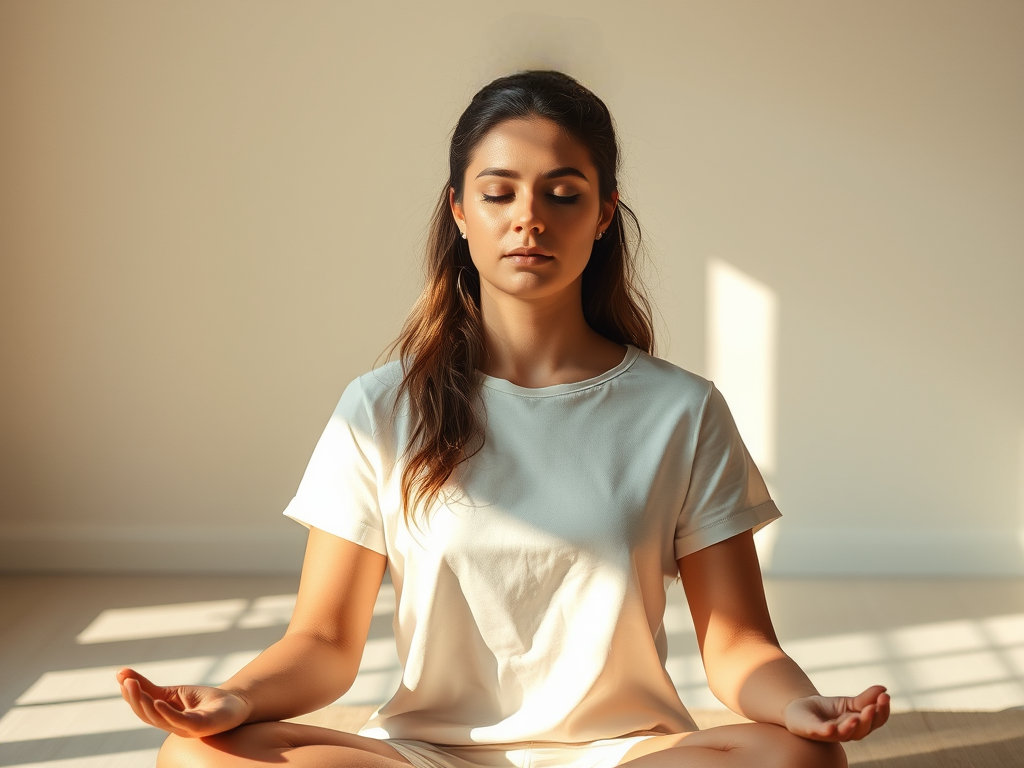
Meditation Techniques for Beginners
Meditation is a practice that has been embraced for centuries across various cultures and traditions to cultivate mindfulness, inner peace, and emotional well-being. For beginners, it might seem daunting or mystical, but it is essentially a simple practice of being present in the moment. This guide will introduce you to meditation, its benefits, and practical techniques to get started.
What is Meditation?
Meditation is a practice of focusing your mind to achieve clarity, emotional calm, and a sense of inner peace. It involves techniques that encourage a heightened state of awareness and attention. Contrary to popular belief, meditation isn’t about stopping your thoughts but learning to observe and manage them.
Benefits of Meditation
Meditation offers a wide range of physical, mental, and emotional benefits:
- Reduces Stress: Meditation lowers cortisol levels, helping reduce stress and its negative effects.
- Enhances Focus: Regular practice improves concentration and cognitive function.
- Improves Emotional Health: It fosters self-awareness and emotional resilience.
- Promotes Better Sleep: Meditation can help regulate sleep patterns by calming the mind.
- Boosts Immune Function: It supports overall health by reducing stress and enhancing relaxation.
Getting Started with Meditation
Before diving into specific techniques, consider these tips:
- Set Realistic Expectations: Meditation is not about perfection but practice. It’s okay if your mind wanders; gently guide it back.
- Create a Comfortable Space: Choose a quiet, clutter-free spot for meditation. You can use cushions, chairs, or mats to make the experience comfortable.
- Start Small: Begin with 5-10 minutes per session and gradually increase the duration.
- Be Consistent: Try to meditate daily, preferably at the same time, to build a routine.
Meditation Techniques for Beginners
Here are some beginner-friendly meditation techniques to help you embark on your journey:
1. Mindfulness Meditation
Mindfulness meditation involves paying attention to the present moment without judgment.
How to Practice:
- Sit comfortably in a quiet place.
- Close your eyes and focus on your breath. Notice the sensation of air entering and leaving your nostrils.
- If your mind wanders, gently bring your attention back to your breath.
- Continue for 5-10 minutes.
Tips:
- Use a timer to avoid checking the clock.
- Acknowledge distracting thoughts without getting frustrated.
2. Guided Meditation
Guided meditation involves following the instructions of a teacher or audio recording.
How to Practice:
- Choose a guided meditation app or video.
- Find a comfortable position and listen to the guidance.
- Follow the instructions, which may include visualization, breathing exercises, or body scans.
Popular Apps:
- Calm
- Headspace
- Insight Timer
3. Breathing Meditation
Focusing on your breath is one of the simplest and most effective ways to meditate.
How to Practice:
- Sit comfortably and close your eyes.
- Take a deep breath in through your nose for a count of four.
- Hold your breath for a count of four, then exhale slowly for a count of six.
- Repeat for 5-10 minutes.
Tips:
- Place your hand on your stomach to feel the rise and fall of each breath.
- If thoughts intrude, gently redirect focus to your breathing.
4. Body Scan Meditation
This technique promotes relaxation by focusing on different parts of your body.
How to Practice:
- Lie down or sit comfortably.
- Close your eyes and take a few deep breaths.
- Start at your toes, noticing any tension or sensations.
- Slowly move your focus upward, scanning your legs, abdomen, chest, arms, and head.
- Release any tension as you exhale.
Benefits:
- Relieves physical tension and promotes mindfulness.
- Great for winding down before sleep.
5. Mantra Meditation
Mantra meditation uses a repeated word or phrase to help focus the mind.
How to Practice:
- Choose a mantra, such as “Om,” “Peace,” or “I am calm.”
- Sit in a comfortable position and close your eyes.
- Silently repeat the mantra in your mind with each breath.
- Focus on the sound and rhythm of the mantra.
Tips:
- You can create a personal mantra that resonates with your goals or beliefs.
- Don’t worry about the meaning; focus on the repetition.
6. Walking Meditation
Walking meditation combines mindfulness with movement.
How to Practice:
- Choose a quiet, safe path for walking.
- Walk slowly, focusing on the sensations of your feet touching the ground.
- Notice the movement of your legs, the rhythm of your steps, and your surroundings.
- Breathe naturally and keep your attention on the act of walking.
Benefits:
- Ideal for those who find sitting still challenging.
- Combines exercise with meditation.
7. Loving-Kindness Meditation (Metta)
This technique fosters compassion and kindness toward yourself and others.
How to Practice:
- Sit comfortably and close your eyes.
- Begin by focusing on yourself. Silently repeat phrases like, “May I be happy. May I be healthy. May I be at peace.”
- Gradually extend these wishes to loved ones, acquaintances, and even people you may have conflicts with.
- End by extending these wishes to all beings.
Benefits:
- Enhances empathy and emotional well-being.
- Reduces negative emotions and increases positive feelings.
8. Visualization Meditation
Visualization meditation involves imagining peaceful scenes or achieving specific goals.
How to Practice:
- Sit comfortably and close your eyes.
- Visualize a serene place, such as a beach or forest. Focus on the details—sounds, smells, and textures.
- Alternatively, visualize achieving a goal and the positive emotions associated with it.
- Stay in this visualization for a few minutes.
Benefits:
- Boosts motivation and reduces stress.
- Encourages creativity and positivity.
Overcoming Common Challenges
- Restlessness: It’s normal to feel fidgety at first. Practice patience and accept that it’s part of the process.
- Sleepiness: Meditate in a seated position and practice during times when you’re alert.
- Distractions: Choose a quiet time and space. Use earplugs or white noise if necessary.
- Self-Doubt: Remember, there’s no right or wrong way to meditate. Every attempt is a step forward.
Incorporating Meditation into Daily Life
- Morning Routine: Start your day with a few minutes of meditation to set a positive tone.
- Work Breaks: Use mindfulness techniques during short breaks to reset your focus.
- Evening Wind-Down: Meditate before bed to relax and prepare for sleep.
- Mindful Moments: Practice mindfulness during daily activities like eating or washing dishes.
Conclusion
Meditation is a journey of self-discovery and mindfulness that can transform your life with consistent practice. As a beginner, start with techniques that resonate with you and build your practice gradually. Remember, the key is not to strive for perfection but to approach meditation with curiosity and an open heart. With time and patience, meditation can become a powerful tool for achieving peace, balance, and well-being in your life.


Leave a Reply