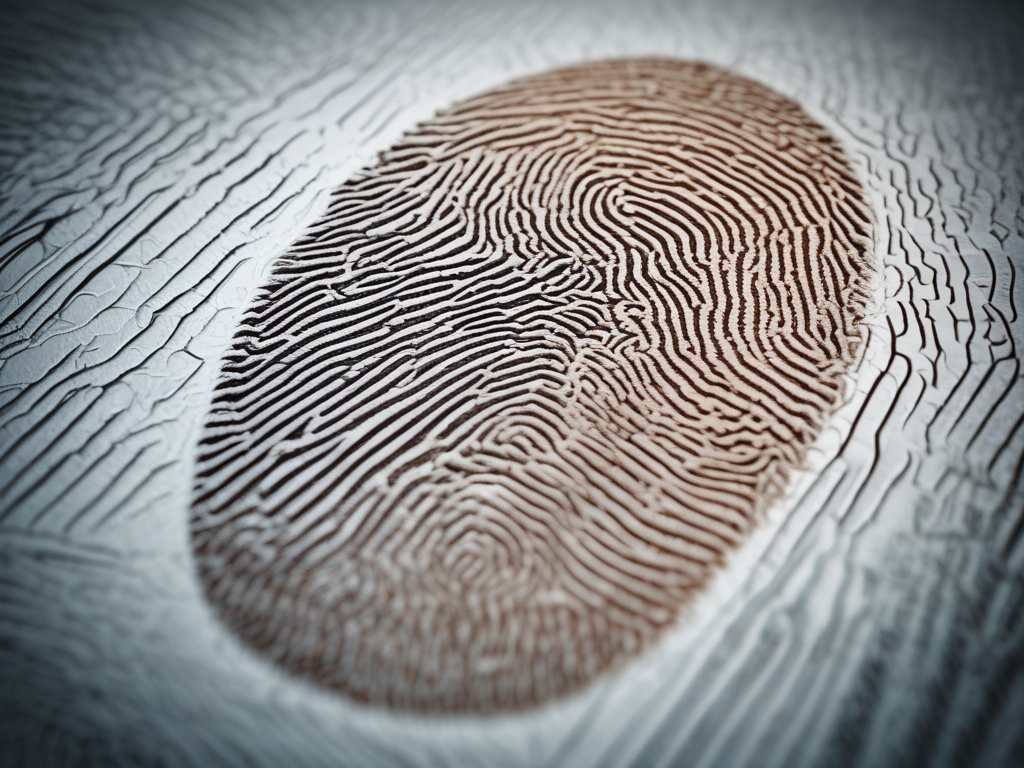
Fingerprint recognition, also known as fingerprint authentication or biometric authentication, is a technology used to identify or verify the identity of individuals based on unique patterns found in their fingerprints. It’s a form of biometric authentication because it relies on distinctive physical characteristics of a person.
Here’s how it typically works :
-
Image Capture: The first step involves capturing an image of the fingerprint. This can be done using various devices like fingerprint scanners, which can be optical, capacitive, or ultrasonic.
- Feature Extraction: Once the image is captured, software algorithms analyze the image to extract unique features such as ridge endings, bifurcations, and ridge patterns.
- Template Creation: These features are then converted into a mathematical template or a digital representation of the fingerprint. The template is essentially a condensed and encrypted version of the fingerprint data.
- Matching: When a person tries to authenticate their identity, their fingerprint is scanned and converted into a template. This template is then compared to the templates stored in a database. If there’s a match, the person is granted access or authenticated.
Fingerprint recognition is widely used in various applications including:
-
Access Control: Fingerprint scanners are commonly used in secure areas such as offices, government buildings, and data centers to control access.
- Mobile Devices: Many smartphones and tablets incorporate fingerprint scanners for unlocking the device and securing sensitive information.
- Financial Transactions: Some banks and financial institutions use fingerprint recognition as a security measure for authorizing transactions and accessing accounts.
- Law Enforcement: Fingerprint recognition is a critical tool in law enforcement for identifying suspects and solving crimes.
While fingerprint recognition is generally considered reliable and accurate, it’s not foolproof. Factors such as the quality of the fingerprint image, environmental conditions, and the condition of the person’s fingers can affect its performance. Additionally, concerns about privacy and security have prompted discussions about the ethical use of biometric data and the importance of protecting individuals’ personal information.


