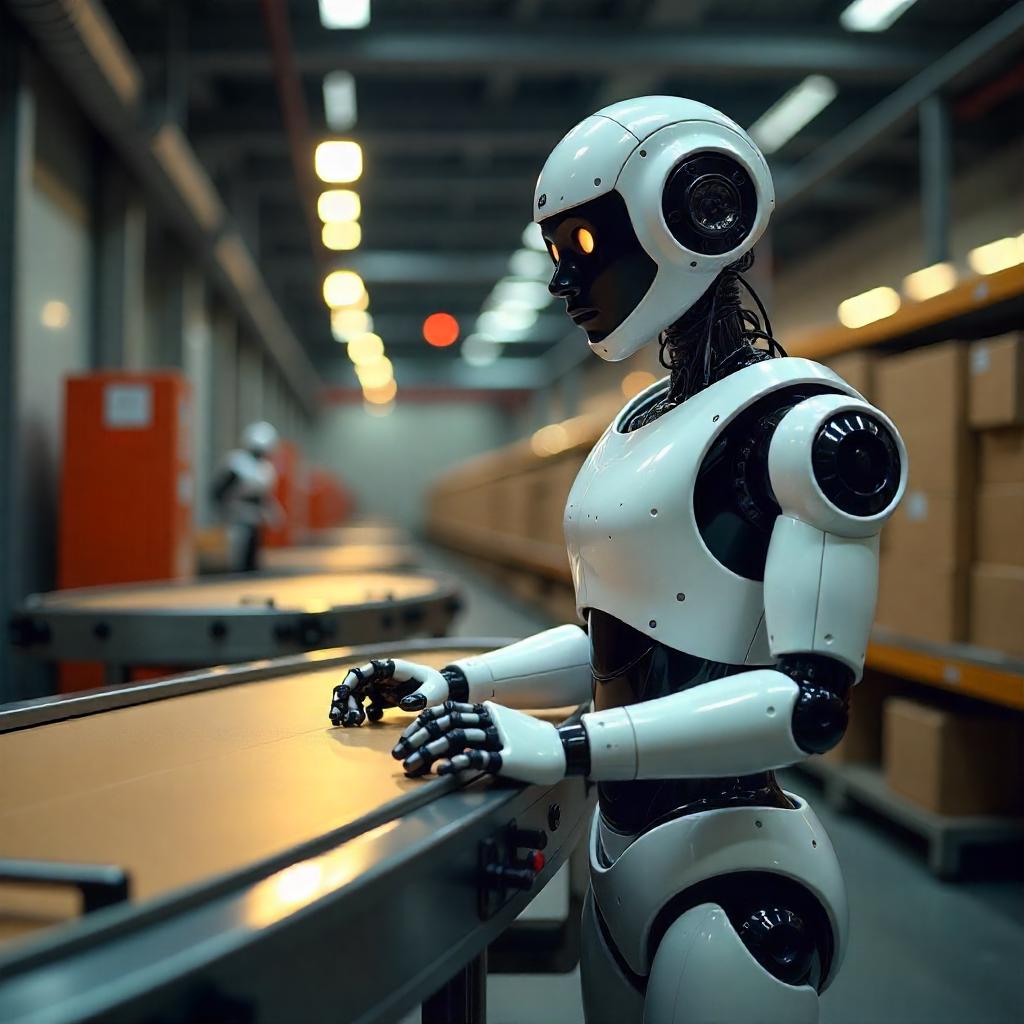
AI plays a crucial role in the advancement of robotics, enhancing the capabilities, efficiency, and applications of robotic systems across various industries. Here are some key areas where AI is integrated into robotics:
1. Perception and Sensing
- Computer Vision: AI algorithms enable robots to interpret and understand visual information from cameras and sensors, facilitating tasks like object recognition, scene understanding, and navigation.
- Sensor Fusion: AI integrates data from various sensors (e.g., LiDAR, cameras, infrared) to create a coherent understanding of the robot’s environment, improving decision-making and situational awareness.
2. Decision-Making and Planning
- Autonomous Navigation: AI-driven path planning and obstacle avoidance allow robots to move autonomously in complex environments, essential for applications like autonomous vehicles and drones.
- Task Planning: AI enables robots to plan and sequence tasks efficiently, optimizing performance in industrial automation, logistics, and service robotics.
3. Human-Robot Interaction (HRI)
- Natural Language Processing (NLP): AI enables robots to understand and respond to human language, facilitating more intuitive and effective communication and collaboration with humans.
- Gesture and Emotion Recognition: AI systems can interpret human gestures and emotions, allowing robots to interact more naturally and empathetically with people.
4. Automation and Efficiency
- Industrial Automation: AI enhances robotic systems in manufacturing, improving precision, speed, and flexibility in tasks such as assembly, inspection, and packaging.
- Predictive Maintenance: AI predicts potential failures and maintenance needs of robotic systems, reducing downtime and improving reliability.
5. Healthcare and Service Robotics
- Medical Robotics: AI-powered robots assist in surgeries, diagnostics, and patient care, improving accuracy and outcomes.
- Service Robots: AI enables robots to perform tasks in hospitality, cleaning, and customer service, enhancing efficiency and user experience.
6. Learning and Adaptation
- Machine Learning: Robots use machine learning algorithms to improve their performance over time by learning from data and experiences, adapting to new tasks and environments.
- Reinforcement Learning: This approach allows robots to learn optimal behaviors through trial and error, receiving rewards or penalties based on their actions, applicable in robotics for tasks like manipulation and control.
7. Research and Development
- Robotics Research: AI drives innovation in robotics research, contributing to the development of new algorithms, control strategies, and applications.
- Simulation and Testing: AI enhances the simulation and testing of robotic systems, enabling more thorough and efficient development cycles.
The integration of AI into robotics is transforming industries and everyday life, pushing the boundaries of what robots can achieve and making them more intelligent, autonomous, and useful in a wide range of applications.

Leave a Reply