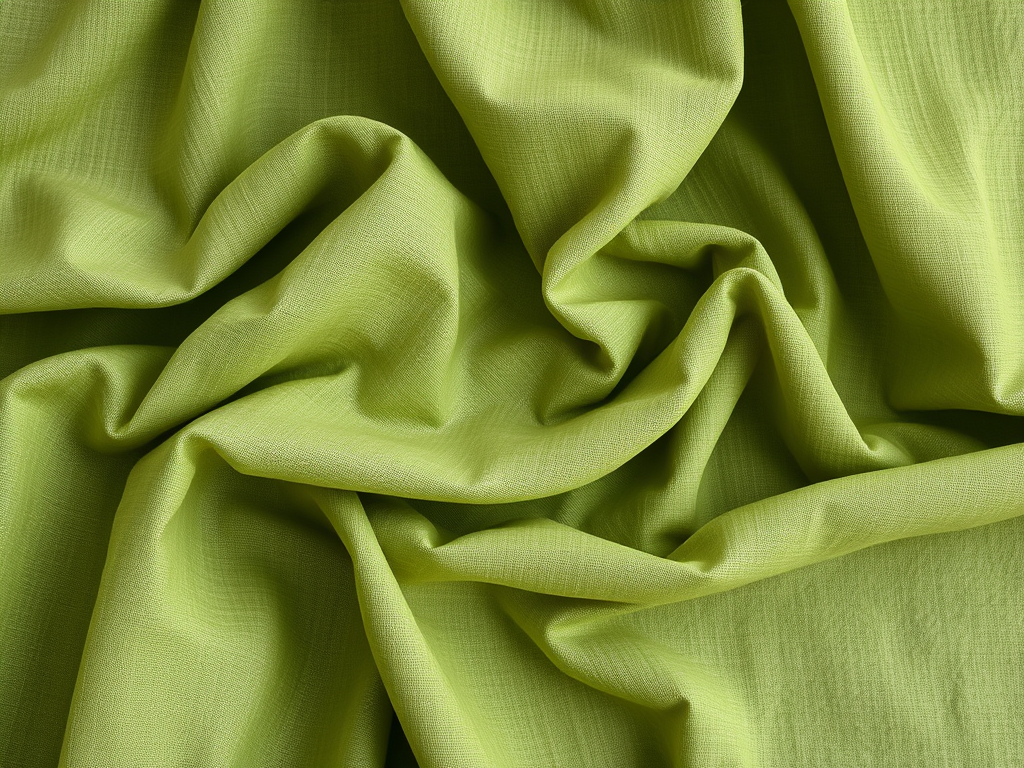
Eco-Friendly Fabrics
Exploring eco-friendly fabrics is a vital part of choosing more sustainable options in fashion and textiles. Here’s a comprehensive guide on some of the top eco-friendly fabrics, including their environmental benefits, characteristics, and best uses. This can help make informed decisions whether you’re shopping for clothes, home textiles, or designing a sustainable collection.
1. Organic Cotton
What It Is: Organic cotton is grown without synthetic pesticides, fertilizers, or genetically modified organisms (GMOs), making it much more sustainable than conventional cotton.
Environmental Impact:
- Water Usage: Organic cotton typically requires less water than conventional cotton, and many farmers use rain-fed systems rather than irrigation.
- Soil Health: Organic cotton farming maintains healthier soil by promoting biodiversity and using natural composts and rotation.
- Toxic Chemicals: Free from toxic pesticides and fertilizers, organic cotton farming reduces harmful runoff into water sources.
Drawbacks: Organic cotton can be more expensive and yield lower amounts per acre, which may limit supply.
2. Hemp
What It Is: Hemp is a fast-growing plant that requires minimal resources, and it’s one of the most eco-friendly fabrics. The fibers are strong, durable, and become softer over time.
Environmental Impact:
- Growth Rate: Hemp grows quickly and yields more fiber per acre than cotton.
- Low Water and Pesticide Requirement: It requires little water and almost no pesticides.
- Soil Health: Hemp plants improve soil health by adding nutrients back to the soil and reducing erosion. Hemp can also grow in a variety of climates and soil types.
Benefits: Hemp fabric is durable, long-lasting, and naturally UV-resistant, making it a great choice for outdoor wear and long-term clothing pieces.
Drawbacks: Hemp fabric can feel stiff initially, though it softens over time, and dyeing it can sometimes require high energy.
3. Linen (Flax)
What It Is: Linen is made from the flax plant and has been used for thousands of years. It’s highly breathable, lightweight, and incredibly durable.
Environmental Impact:
- Low Water Requirement: Flax requires much less water than cotton and can grow on poor-quality soil that isn’t ideal for other crops.
- Minimal Pesticides: Flax typically requires fewer pesticides.
- Biodegradable: Linen is biodegradable if left untreated and composted properly.
Benefits: Linen has natural antibacterial properties, and it’s highly breathable and moisture-wicking, making it a great choice for summer clothing.
Drawbacks: Linen can wrinkle easily, and the production process can sometimes be labor-intensive and expensive.
4. Tencel (Lyocell)
What It Is: Tencel is a brand name for lyocell and modal fibers, both made from sustainably harvested wood pulp, often from eucalyptus trees.
Environmental Impact:
- Closed-Loop Production: Tencel production uses a closed-loop system that recycles nearly all the solvents and water used, minimizing waste.
- Certified Sustainable Sources: Tencel is generally made from wood pulp sourced from certified sustainable forests.
- Biodegradable: Tencel fibers are biodegradable, so they don’t contribute to plastic pollution.
Benefits: Tencel is soft, durable, and highly breathable. It is also less prone to wrinkling and shrinking.
Drawbacks: Tencel production is generally sustainable but can be energy-intensive.
5. Bamboo
What It Is: Bamboo fabric can be made from the pulp of bamboo plants. It’s often marketed as an eco-friendly option, but the sustainability of bamboo fabrics varies.
Environmental Impact:
- Growth Rate: Bamboo is one of the fastest-growing plants and doesn’t require pesticides or fertilizers.
- Soil Health: Bamboo helps stabilize soil, making it good for erosion control.
Processing Issues: Bamboo fabric production can be eco-friendly if processed mechanically, but the majority is chemically processed into “bamboo rayon,” which uses harmful chemicals.
Benefits: Bamboo fabric is soft, highly absorbent, and breathable.
Drawbacks: Look for “mechanically processed bamboo” or “bamboo linen” instead of “bamboo rayon” for true eco-friendliness.
6. Recycled Polyester
What It Is: Recycled polyester (rPET) is made from post-consumer plastic bottles and waste, which are broken down and spun into new fibers.
Environmental Impact:
- Waste Reduction: By reusing plastic waste, rPET reduces landfill waste and pollution.
- Energy Savings: Recycling plastic into polyester uses less energy than producing virgin polyester.
Benefits: Recycled polyester has the same durability and elasticity as traditional polyester and is widely used in activewear.
Drawbacks: rPET is still a form of plastic, which means microplastics can shed during washing. To minimize this, wash in a Guppyfriend bag to catch microfibers.
7. Wool (Ethically Sourced and Organic)
What It Is: Wool is a natural, renewable fiber from sheep. Organic wool comes from sheep raised without harmful chemicals or synthetic hormones.
Environmental Impact:
- Biodegradable: Wool decomposes naturally, unlike synthetic fibers.
- Renewable: Sheep regrow wool annually, making it a renewable resource.
- Soil and Water Conservation: Organic wool practices often involve pasture rotation, which can benefit soil health.
Benefits: Wool is incredibly insulating, moisture-wicking, and has natural antibacterial properties. Ethically sourced wool is kinder to animals and the environment.
Drawbacks: Some wool production can have high environmental impacts due to methane emissions from sheep and land use.
8. Pineapple Leather (Piñatex)
What It Is: Piñatex is a sustainable alternative to leather, made from the leaves of pineapple plants. This byproduct of the pineapple industry repurposes waste and doesn’t require additional resources to grow.
Environmental Impact:
- Waste Reduction: By using pineapple leaves, Piñatex minimizes agricultural waste.
- Low Water Use: It requires minimal water and no harmful chemicals in its processing.
Benefits: Piñatex is durable, vegan, and has a texture similar to animal leather, making it a suitable alternative in fashion and accessories.
Drawbacks: Piñatex is relatively new and isn’t as widely available as traditional leather alternatives.
9. Cork
What It Is: Cork is harvested from the bark of cork oak trees. The trees continue to grow after the bark is harvested, making cork a renewable resource.
Environmental Impact:
- Renewability: Harvesting cork doesn’t harm the tree, and cork oak forests absorb a large amount of CO₂, supporting biodiversity.
- Water and Energy: Cork production has a low environmental footprint, as the process is relatively simple.
Benefits: Cork is naturally water-resistant, lightweight, and durable, making it suitable for accessories, shoes, and even fabric blends.
Drawbacks: Cork has a unique texture that doesn’t suit every type of garment.
10. Recycled Cotton
What It Is: Recycled cotton is made from post-consumer cotton garments or pre-consumer cotton scraps, which are processed and spun into new fabric.
Environmental Impact:
- Waste Reduction: Recycled cotton minimizes textile waste by repurposing discarded cotton.
- Reduced Resource Use: Using recycled cotton reduces the demand for virgin cotton, which can be water- and pesticide-intensive.
Benefits: Recycled cotton can be as soft and durable as regular cotton, and it typically has a lower environmental footprint.
Drawbacks: Recycled cotton may not be as durable as virgin cotton, and the fibers may weaken after multiple rounds of recycling.
Key Takeaways
Choosing eco-friendly fabrics isn’t just about the environment; it’s also about supporting fair labor practices, conserving natural resources, and promoting ethical fashion. To make sustainable choices:
- Look for Certifications: Labels like GOTS (Global Organic Textile Standard), OEKO-TEX, and Fair Trade indicate high standards for environmental and ethical practices.
- Consider End-of-Life: Biodegradable fabrics like organic cotton, wool, and hemp decompose naturally, reducing long-term waste.
- Be Cautious of Greenwashing: Some brands label products as “eco-friendly” without clear backing. Research the fabric and its production process.
By choosing fabrics like organic cotton, hemp, Tencel, and recycled materials, you can support a more sustainable fashion industry. This eco-conscious approach helps to foster a world where fashion not only looks good but also does good for the planet and future generations.


Leave a Reply