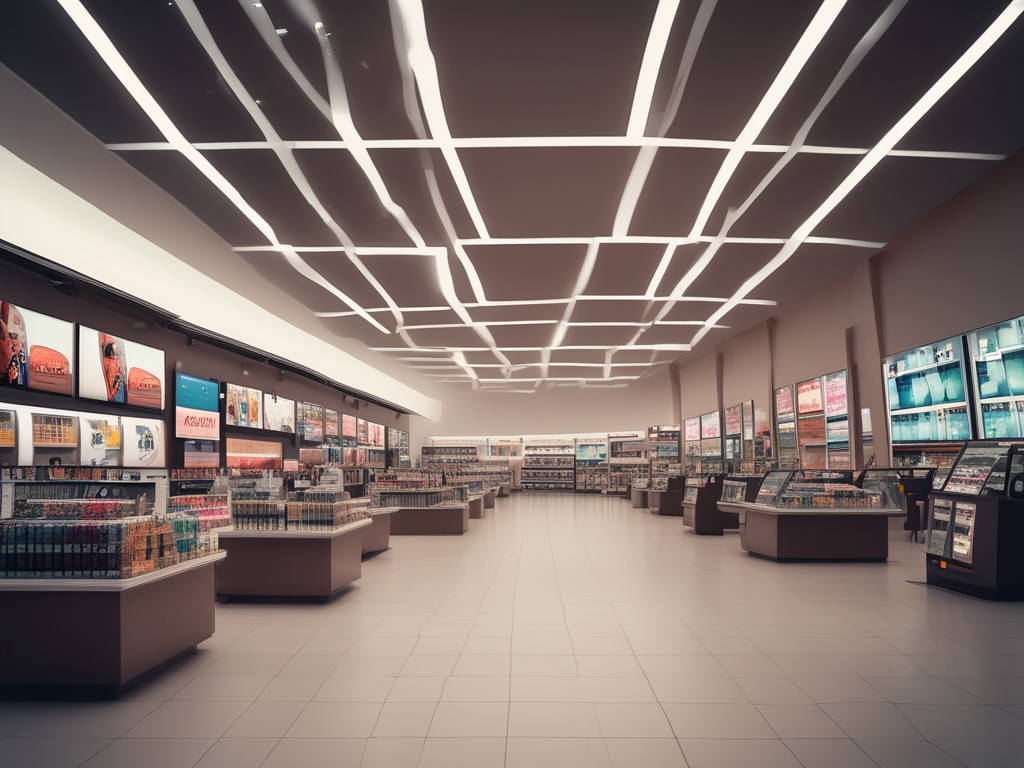
Technology has significantly transformed the retail industry, enhancing customer experiences, streamlining operations, and driving sales growth. Here are some key areas where technology is making a substantial impact in retail:
1. E-commerce and Mobile Commerce
- Online Shopping Platforms: Websites and mobile apps allow customers to shop from anywhere at any time.
- Mobile Payment Solutions: Services like Apple Pay, Google Wallet, and Samsung Pay make transactions quicker and more secure.
2. Omnichannel Retailing
- Integrated Shopping Experiences: Seamless integration between online and offline channels (e.g., click-and-collect services).
- Personalized Marketing: Using data analytics to provide personalized recommendations across all channels.
3. Artificial Intelligence (AI) and Machine Learning
- Chatbots and Virtual Assistants: Providing customer service and support around the clock.
- Predictive Analytics: Forecasting demand, managing inventory, and personalizing marketing efforts based on customer data.
4. Augmented Reality (AR) and Virtual Reality (VR)
- Virtual Try-Ons: Customers can virtually try on clothes, accessories, and even makeup.
- Immersive Shopping Experiences: VR can create virtual stores or showrooms for customers to explore products in an engaging way.
5. Internet of Things (IoT)
- Smart Shelves: Equipped with sensors to monitor inventory levels in real-time.
- Connected Devices: Enhancing the shopping experience through interactive and personalized displays.
6. Blockchain Technology
- Supply Chain Transparency: Ensuring product authenticity and traceability.
- Secure Transactions: Enhancing security and reducing fraud in financial transactions.
7. Big Data and Analytics
- Customer Insights: Analyzing customer behavior to drive marketing strategies and product development.
- Operational Efficiency: Optimizing inventory management, pricing strategies, and supply chain operations.
8. Robotics and Automation
- Warehouse Automation: Robots for picking, packing, and shipping products.
- In-Store Assistance: Robots providing customer assistance and restocking shelves.
9. Contactless and Cashless Payment Systems
- RFID and NFC Technologies: Speeding up the checkout process and improving convenience.
- Mobile Wallets: Increasing the use of digital payments.
10. Customer Relationship Management (CRM) Systems
- Enhanced Customer Engagement: Managing customer interactions and data to improve relationships and loyalty.
- Targeted Marketing Campaigns: Using CRM data to create personalized marketing efforts.
11. 3D Printing
- Customization: Allowing customers to personalize products.
- On-Demand Production: Reducing the need for large inventories and waste.
Case Studies and Examples
- Amazon Go: A cashier-less convenience store that uses cameras, sensors, and AI to allow customers to shop and leave without checking out.
- Zara: Uses big data and AI to analyze customer preferences and trends, enabling them to produce new designs quickly and efficiently.
- Sephora: Offers a virtual artist app where customers can try on makeup virtually using AR.
Challenges and Considerations
- Data Privacy: Ensuring customer data is protected and used ethically.
- Integration: Seamlessly integrating new technologies with existing systems.
- Cost: Balancing the investment in new technologies with potential returns.
- Adaptation: Training staff and customers to use new technologies effectively.
The integration of these technologies in retail not only enhances the shopping experience but also creates opportunities for retailers to operate more efficiently and gain a competitive edge.


