Introduction to Sweet Potatoes
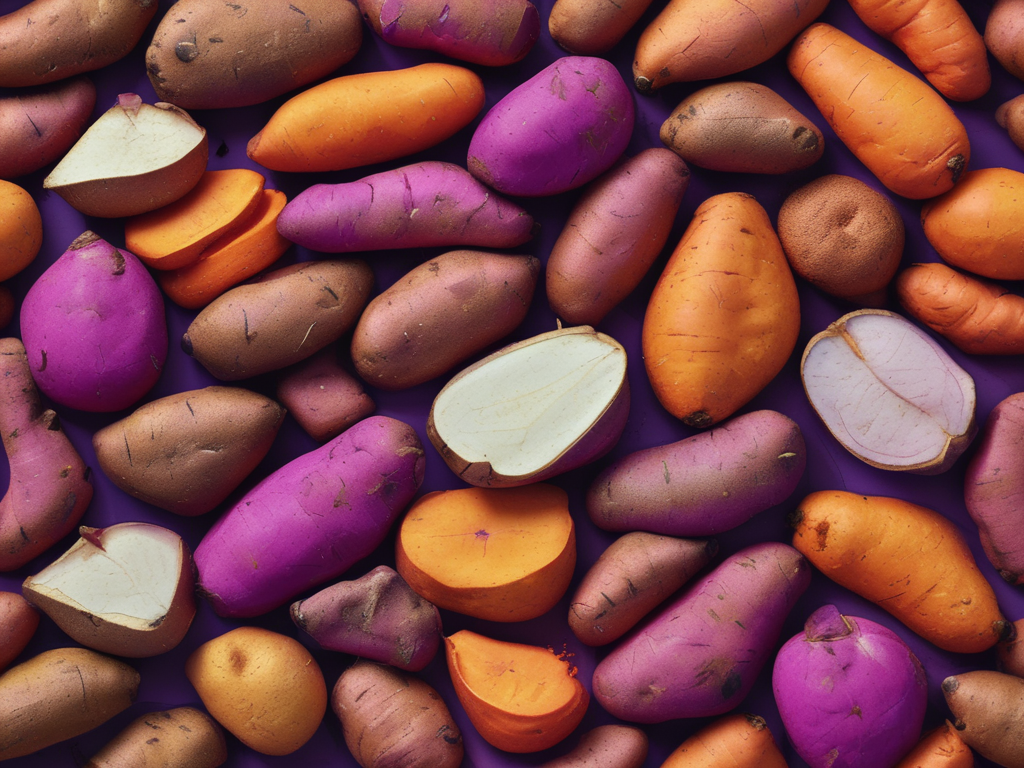
Sweet potatoes (Ipomoea batatas) are root vegetables belonging to the Convolvulaceae family. Originating in Central and South America, they have been cultivated for thousands of years and are now grown worldwide. Sweet potatoes come in a variety of colors, including orange, purple, white, and yellow, each with a unique taste and texture. They are often confused with yams, but true yams are quite different and belong to the Dioscoreaceae family.
Benefits of Consuming Sweet Potatoes
-
Nutrient : Sweet potatoes are packed with vitamins and minerals, including vitamins A, C, and B6, manganese, potassium, and dietary fiber.
-
High in Antioxidants: Particularly high beta-carotene (especially the orange variety) and anthocyanins (especially the purple variety), sweet potatoes help neutralize harmful free radicals in the body.
-
Heart Health: The potassium in sweet potatoes helps regulate blood pressure, while the fiber reduces cholesterol levels, contributing to overall heart health.
-
Supports Eye Health: The high beta-carotene content is converted into vitamin A in the body, which is essential for maintaining good vision and preventing night blindness.
-
Boosts Immunity: The vitamins A and C found in sweet potatoes strengthen the immune system and enhance the body’s ability to fight infections.
-
Promotes Digestive Health: High fiber content aids in maintaining healthy digestion and preventing constipation.
-
Regulates Blood Sugar Levels: The fiber and complex carbohydrates in sweet potatoes help stabilize blood sugar levels, making them a good choice for individuals with diabetes.
-
Anti-inflammatory Properties: The antioxidants in sweet potatoes have anti-inflammatory effects, which can help reduce the risk of chronic diseases.
Disadvantages of Consuming Sweet Potatoes
-
High in Oxalates: Sweet potatoes contain oxalates, which can contribute to the formation of kidney stones in susceptible individuals.
-
Potential for Blood Sugar Spikes: While sweet potatoes generally have a lower glycemic index than regular potatoes, they can still cause blood sugar spikes if consumed in large quantities, especially in people with diabetes.
-
Allergic Reactions: Though rare, some individuals may be allergic to sweet potatoes, experiencing symptoms like itching, swelling, and digestive discomfort.
-
Digestive Issues: Consuming large amounts of sweet potatoes can lead to digestive issues, such as bloating, gas, and diarrhea, due to their high fiber content.
-
Weight Gain: Sweet potatoes are high in calories. Consuming them in excess without balancing other dietary components can lead to weight gain.


Leave a Reply