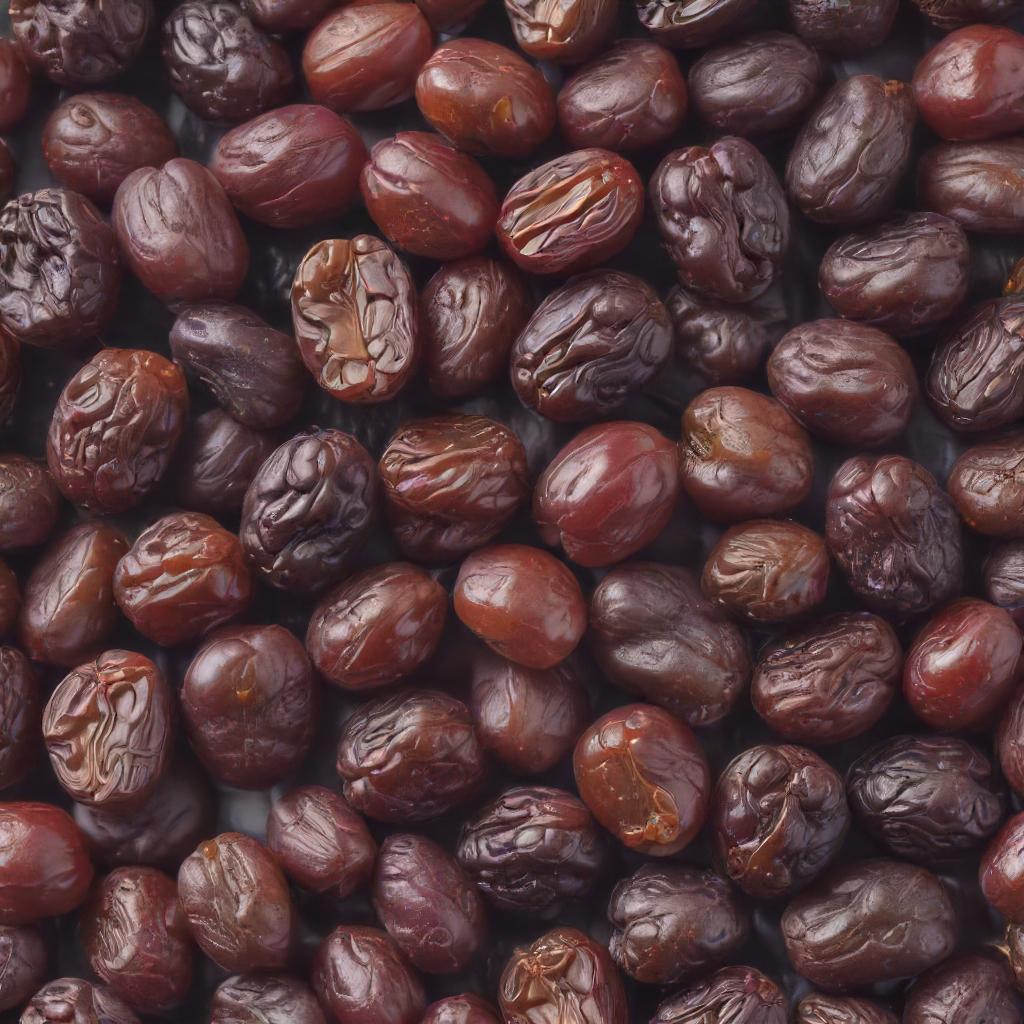
Introduction to Raisins
Raisins are dried grapes, commonly produced from various grape varieties but predominantly from Thompson Seedless grapes. They are a good snack and ingredient in cooking and baking due to their sweet flavor, versatility, and nutritional benefits. Raisins are available in various forms, including natural, golden, and sultana, each offering a slightly different taste and texture.
Benefits of Consuming Raisins
-
Nutrient-Rich: Raisins are packed with essential nutrients, including vitamins (such as B vitamins), minerals (like iron, potassium, and calcium), and antioxidantg.
-
Energy Boost: High in natural sugars (glucose and fructose), raisins provide a quick and efficient source of energy, making them an ideal snack for athletes and active individuals.
-
Digestive Health: Raisins contain dietary fiber, which promotes healthy digestion and regular bowel movements, helping to prevent constipation.
-
Bone Health: The calcium and boron content in raisins supports bone health and may help in preventing osteoporosis.
-
Heart Health: Antioxidants and potassium in raisins contribute to cardiovascular health by reducing blood pressure and lowering the risk of heart disease.
-
Anemia Prevention: Rich in iron, raisins can help prevent iron-deficiency anemia and boost hemoglobin levels.
-
Skin Health: Antioxidants in raisins combat oxidative stress, potentially improving skin health and reducing signs of aging.
Disadvantages of Consuming Raisins
-
High Sugar Content: Raisins are high in natural sugars, which can contribute to weight gain and dental issues like cavities if consumed in excess.
-
Caloric Density: Due to their concentrated nature, raisins are calorie-dense. Overconsumption can lead to excess calorie intake and potential weight gain.
-
Potential Allergens: Some individuals may be allergic to sulfites used in the preservation of certain types of raisins, such as golden raisins.
-
Digestive Issues: While they aid digestion in moderate amounts, excessive consumption of raisins can lead to gastrointestinal discomfort, including bloating and gas, due to their high fiber content.
-
Oxalate Content: Raisins contain oxalates, which can contribute to the formation of kidney stones in susceptible individuals.
-
Blood Sugar Levels: Although they have a moderate glycemic index, the high sugar content can still cause spikes in blood sugar levels, making them a less ideal snack for people with diabetes if not consumed in moderation.
In summary, raisins are a nutritious and convenient snack with numerous health benefits when consumed in moderation. However, it is essential to be mindful of their high sugar and calorie content to avoid potential adverse effects.


Leave a Reply