Introduction:
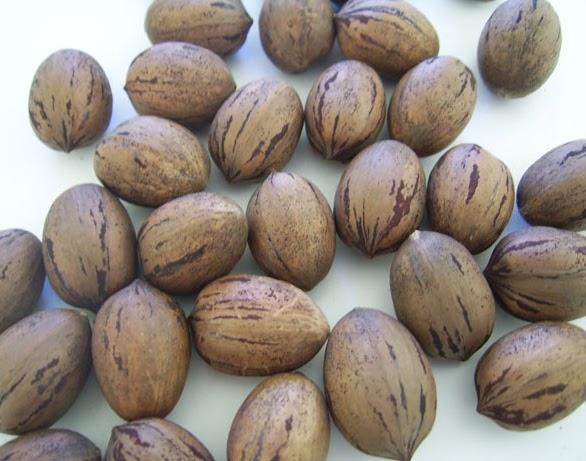
Pecans (Carya illinoinensis) are members of the hickory family and are native to the United States, particularly the southern states like Georgia, Texas, and Louisiana. They grow on large deciduous trees and are harvested in the fall. Pecans have a distinct shape with an elongated oval shell enclosing a flavorful kernel.
Benefits:
- Nutritional Value: Pecans are packed with nutrients, including healthy fats, protein, fiber, and essential vitamins and minerals like vitamin E, magnesium, and zinc. They are also rich in antioxidants, particularly flavonoids and phenolic compounds, which help combat oxidative stress and inflammation in the body.
- Heart Health: The monounsaturated fats found in pecans, along with their high levels of antioxidants and fiber, can help improve heart health by reducing LDL cholesterol levels and lowering the risk of cardiovascular disease.
- Weight Management: Despite being calorie-dense, pecans can be beneficial for weight management when consumed in moderation. Their combination of healthy fats, protein, and fiber helps promote feelings of fullness and satiety, reducing overall calorie intake.
- Brain Health: The antioxidants and anti-inflammatory compounds in pecans may help protect brain cells from damage and reduce the risk of neurodegenerative diseases like Alzheimer’s.
- Blood Sugar Control: Pecans have a low glycemic index, which means they cause a slower and more gradual rise in blood sugar levels compared to high-glycemic foods. This can be beneficial for individuals with diabetes or those looking to manage blood sugar levels
Disadvantages:
- High Caloric Content: Pecans are calorie-dense, with around 200 calories per ounce. While the healthy fats in pecans are beneficial, consuming them in excess can contribute to weight gain if not balanced with overall calorie intake.
- Potential Allergies: Like other tree nuts, pecans can cause allergic reactions in some individuals. Symptoms can range from mild itching and swelling to severe anaphylaxis in rare cases. People with nut allergies should avoid pecans and products containing them.
- Risk of Rancidity: Pecans contain oils that can turn rancid over time, especially when exposed to heat, light, or air. Proper storage in an airtight container in a cool, dark place can help prolong their shelf life and prevent rancidity.
- High Omega-6 Content: While pecans contain healthy monounsaturated fats, they also have a relatively high ratio of omega-6 to omega-3 fatty acids. Consuming too much omega-6 fatty acids relative to omega-3s may contribute to inflammation in the body, so it’s important to maintain a balanced ratio.
Overall, pecans can be a nutritious and delicious addition to a balanced diet when consumed in moderation and as part of a healthy lifestyle.


Leave a Reply