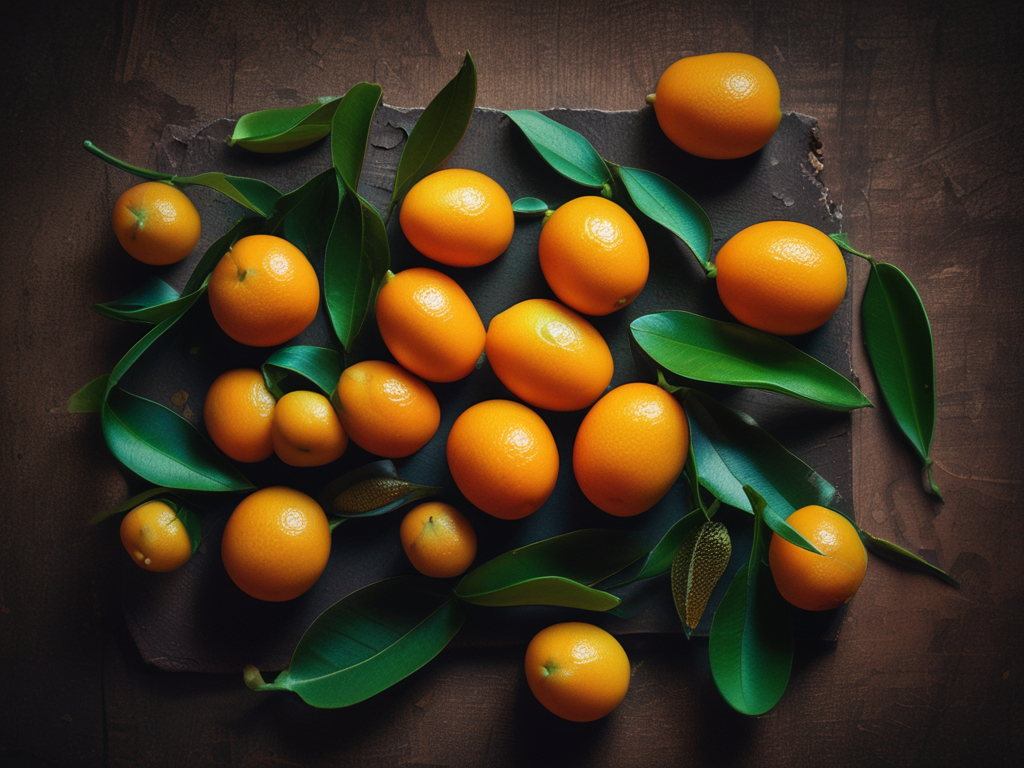
Introduction to Kumquat
Kumquat is a small, citrus fruit that resembles a miniature orange. It is native to South Asia and the Asia-Pacific region but is now grown in many parts of the world, including the United States, particularly in Florida and California. Unlike other citrus fruits, kumquats can be eaten whole, including the peel, which is sweet, while the flesh inside is tart. The most common types of kumquats are the Nagami and the Meiwa, with the former being more oval and tart, and the latter round and sweet.
Benefits of Consuming Kumquats
-
Nutrient-Rich: Kumquats are rich in vitamins, particularly vitamin C, which is essential for immune function, skin health, and collagen production. They also contain vitamin A, E, and several B vitamins.
-
High in Fiber: The fruit is high in dietary fiber, especially when eaten with the skin, which aids in digestion, promotes regular bowel movements, and can help manage blood sugar levels.
-
Antioxidant Properties: Kumquats are loaded with antioxidants like flavonoids and carotenoids, which help protect the body from oxidative stress and reduce inflammation.
-
Low in Calories: They are a low-calorie snack, making them a great option for those looking to maintain or lose weight.
-
Immune Support: The high vitamin C content boosts the immune system and helps the body fend off common illnesses.
Disadvantages of Consuming Kumquats
-
Allergic Reactions: Some people may be allergic to citrus fruits, including kumquats, leading to symptoms like itching, swelling, or digestive discomfort.
-
Digestive Issues: Consuming large quantities of kumquats can lead to gastrointestinal discomfort due to their high fiber content, potentially causing bloating, gas, or diarrhea.
-
Acidity: The tartness of the fruit can aggravate acid reflux or other gastrointestinal issues in susceptible individuals.
-
Pesticide Residue: As with many fruits, kumquats may carry pesticide residues if not washed thoroughly or if grown non-organically, which can pose health risks over time.
-
Sugar Content: While they are lower in calories, kumquats do contain natural sugars, which can be a concern for people managing blood sugar levels or those with diabetes if consumed in large quantities.
Overall, kumquats are a nutritious and versatile fruit that can be enjoyed as part of a balanced diet. However, as with any food, they should be consumed in moderation to avoid potential adverse effects.


Leave a Reply