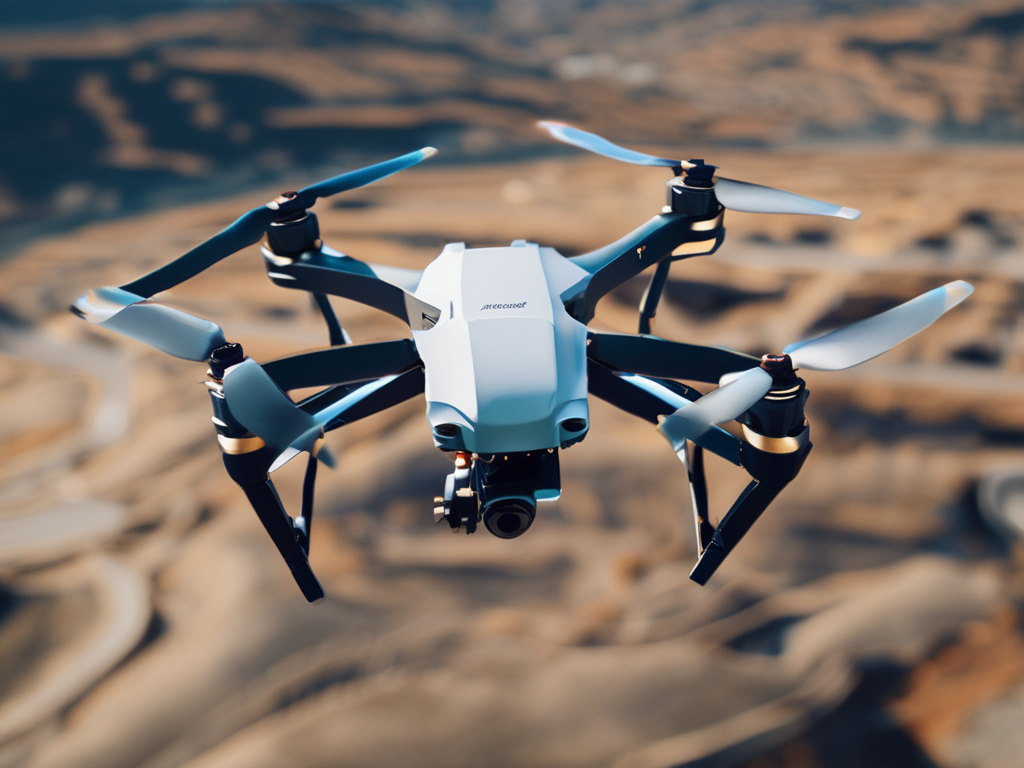
Drone technology, also known as Unmanned Aerial Vehicle (UAV) technology, has seen significant advancements in recent years. Drones have evolved from simple remote-controlled aircraft to sophisticated machines capable of performing a variety of tasks. Here’s an overview of the key aspects of modern drone technology:
1. Components and Design
- Airframe: The structural component of the drone, often made from lightweight materials like carbon fiber or composite plastics.
- Sensors: Include cameras (optical, infrared), LiDAR, ultrasonic sensors, and more, used for navigation, obstacle detection, and data collection.
- Propulsion System: Typically includes electric motors powered by lithium-polymer batteries, though some larger drones may use internal combustion engines.
- Navigation System: Includes GPS for location tracking and gyroscopes for maintaining stability and orientation.
- Control System: Can be manual (via remote control) or autonomous, using onboard computers to execute pre-programmed flight paths.
2. Types of Drones
- Consumer Drones: Typically small, affordable, and easy to operate. Used for recreational photography, racing, and personal entertainment.
- Commercial Drones: Used in industries like agriculture (for crop monitoring), construction (site surveying), and logistics (package delivery).
- Military Drones: Advanced UAVs used for surveillance, reconnaissance, and combat operations.
- Industrial Drones: Designed for heavy-duty tasks such as infrastructure inspection, mapping, and disaster response.
3. Applications
- Photography and Videography: High-quality aerial imagery for filmmaking, journalism, and real estate.
- Agriculture: Crop health monitoring, precision agriculture, and livestock management.
- Delivery Services: Companies like Amazon and Google are developing drones for fast, efficient delivery of goods.
- Inspection and Maintenance: Used to inspect power lines, wind turbines, bridges, and other infrastructure.
- Search and Rescue: Equipped with thermal imaging to locate missing persons in challenging terrains.
- Environmental Monitoring: Collecting data on air quality, wildlife populations, and deforestation.
4. Regulations and Safety
- Regulatory Bodies: In the U.S., the Federal Aviation Administration (FAA) regulates drone operations. Other countries have their own regulatory bodies.
- Licensing and Permits: Commercial drone operators often need specific licenses and must adhere to rules regarding flight altitudes, no-fly zones, and line-of-sight requirements.
- Safety Measures: Include geofencing to prevent drones from entering restricted areas, collision avoidance systems, and return-to-home functions.
5. Challenges and Future Trends
- Challenges: Include regulatory hurdles, privacy concerns, limited battery life, and the risk of collisions or interference.
- Future Trends:
- Autonomous Flight: Advances in AI and machine learning are enabling fully autonomous drones capable of complex tasks without human intervention.
- Swarm Technology: Coordinated operation of multiple drones for tasks like search and rescue, environmental monitoring, and large-scale data collection.
- Urban Air Mobility: The development of drone taxis and air transport services for urban areas.
Conclusion
Drone technology continues to evolve rapidly, expanding its impact across various sectors. As advancements in AI, battery technology, and regulatory frameworks progress, drones are expected to become even more integrated into daily life and industry operations.
