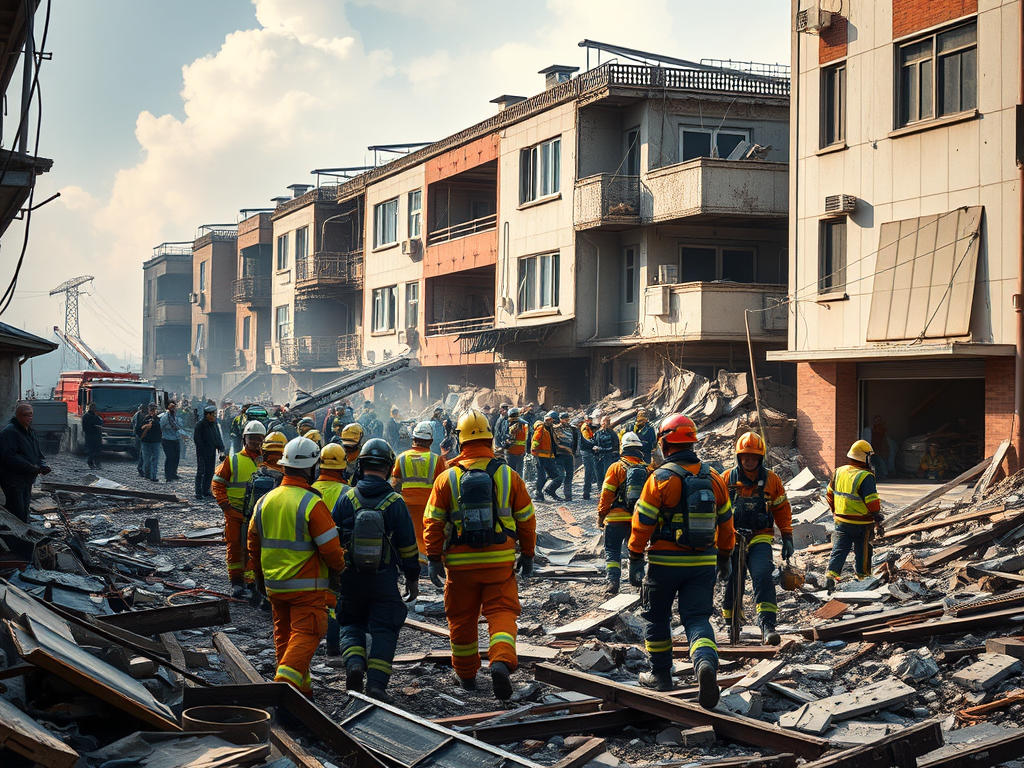
CrisisTech Solutions:Disaster Response with Technology
Effective disaster management relies on a combination of technologies to ensure preparedness, response, and recovery efforts are efficient and coordinated. Here are some key technologies used in disaster management:
-
Early Warning Systems (EWS): These systems use various sensors and data analytics to detect and forecast disasters such as earthquakes, tsunamis, floods, hurricanes, and wildfires. EWS helps in timely evacuation and preparedness.
-
Remote Sensing: Remote sensing technologies such as satellites, drones, and aerial imagery provide real-time data on the extent and impact of disasters. This information aids in assessing damage, monitoring ongoing events, and planning response operations.
-
Communication Systems: Robust communication infrastructure is essential for coordinating rescue operations, disseminating warnings, and providing information to affected populations. Technologies such as mobile networks, satellite communication, and social media platforms play a vital role in facilitating communication during disasters.
-
Big Data Analytics: Big data analytics enable the processing and analysis of large volumes of data generated during disasters. By extracting actionable insights from diverse data sources such as social media, sensor networks, and emergency calls, decision-makers can make informed decisions and allocate resources effectively.
-
Internet of Things (IoT): IoT devices such as sensors, actuators, and wearables provide real-time data on environmental conditions, infrastructure status, and human activities. These devices enhance situational awareness and enable proactive measures to mitigate disaster risks.
-
Geographic Information Systems (GIS): GIS technology integrates geographical data with other types of data to visualize, analyze, and interpret patterns and trends. It helps in mapping disaster-prone areas, planning evacuation routes, and allocating resources effectively.
-
Artificial Intelligence (AI): AI technologies, including machine learning and predictive analytics, can forecast disaster scenarios, identify vulnerable populations, optimize resource allocation, and automate response processes. AI-powered chatbots also help in disseminating information and providing assistance to affected individuals.
-
Virtual Reality (VR) and Augmented Reality (AR): VR and AR simulations enable training exercises for emergency responders, allowing them to practice various scenarios in a realistic environment. These technologies also facilitate public awareness campaigns and educational programs to enhance community resilience.
-
Blockchain: Blockchain technology ensures the integrity and transparency of data by creating tamper-proof records of transactions and information exchanges. In disaster management, blockchain can be used for secure data sharing, managing supply chains, and verifying the authenticity of relief efforts.
-
Distributed Energy Systems: In areas prone to power outages during disasters, distributed energy systems such as solar panels, microgrids, and energy storage solutions provide reliable electricity supply for critical facilities and emergency services.
By leveraging these technologies in an integrated manner, disaster management authorities can enhance their capabilities to mitigate the impact of disasters and save lives. However, it


