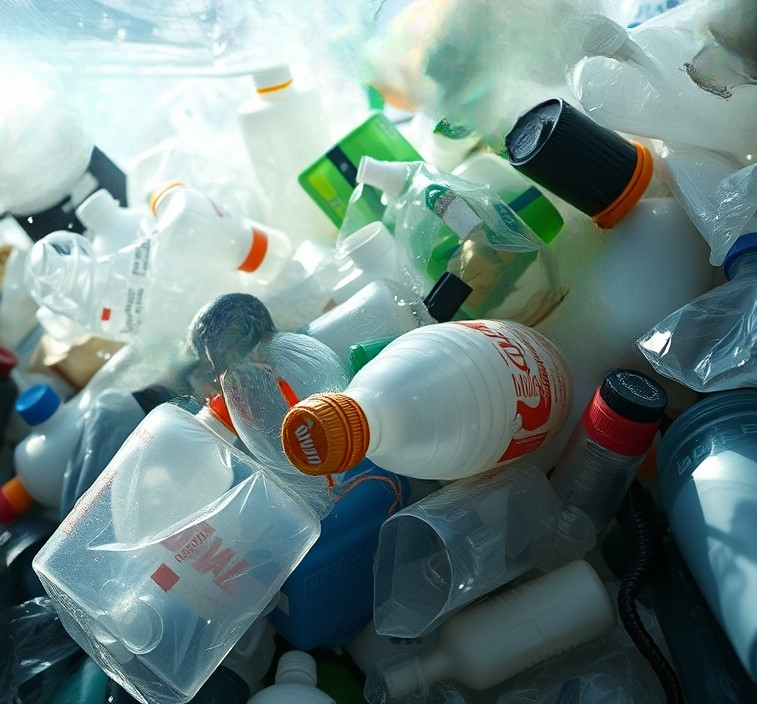
Biodegradable vs. Recyclable Plastics
Plastics have revolutionized modern life with their versatility, affordability, and wide-ranging applications. However, the environmental challenges associated with their disposal have led to the development of two prominent alternatives: biodegradable and recyclable plastics. Understanding their differences, advantages, limitations, and appropriate usage is crucial to addressing the plastic pollution crisis effectively.
What Are Biodegradable Plastics?
Biodegradable plastics are designed to break down into natural components like carbon dioxide, water, and biomass through microbial activity under specific conditions. Unlike traditional plastics, which can persist for hundreds of years, biodegradable plastics aim to minimize long-term environmental impact.
Types of Biodegradable Plastics
- Plant-Based Plastics (Bioplastics): Derived from renewable sources such as corn starch, sugarcane, or potato starch. Examples include polylactic acid (PLA) and polyhydroxyalkanoates (PHA).
- Petroleum-Based Biodegradables: These are synthetic plastics engineered to biodegrade, such as polybutylene adipate terephthalate (PBAT).
How They Degrade
Biodegradable plastics require specific environmental conditions—such as high temperatures, the presence of moisture, or industrial composting facilities—for complete degradation. Some types are home-compostable, while others need industrial processes.
Advantages
- Reduced Pollution: They degrade faster than conventional plastics, reducing litter in natural environments.
- Renewable Materials: Many are made from renewable resources, decreasing reliance on fossil fuels.
- Lower Carbon Footprint: During production, bioplastics often emit fewer greenhouse gases compared to traditional plastics.
Limitations
- Composting Infrastructure: Industrial composting facilities are necessary for many biodegradable plastics, which are not widely available globally.
- Potential for Mismanagement: Improper disposal in regular landfills can hinder degradation due to the lack of oxygen and microbial activity.
- Contamination Risks: Mixing with traditional plastics in recycling streams can lead to contamination and reduce recycling efficiency.
What Are Recyclable Plastics?
Recyclable plastics are materials designed to be reprocessed into new products after their initial use. They are not intended to break down naturally but to be collected, cleaned, and remanufactured, extending their lifecycle.
Common Types of Recyclable Plastics
- PET (Polyethylene Terephthalate): Used in water bottles and food containers.
- HDPE (High-Density Polyethylene): Found in detergent bottles and milk jugs.
- PP (Polypropylene): Used in food packaging, straws, and car parts.
Recycling Process
Recycling involves sorting, cleaning, shredding, and melting plastics into pellets, which are then used to create new products. Advanced technologies, like chemical recycling, break plastics down into their molecular components, enabling higher-quality recycling.
Advantages
- Circular Economy: Recycled plastics contribute to a closed-loop system, reducing the need for virgin material.
- Energy Savings: Recycling plastics consumes less energy compared to producing new plastics from raw materials.
- Waste Reduction: Diverts waste from landfills and reduces environmental pollution.
Limitations
- Quality Degradation: Most plastics can only be recycled a limited number of times before their quality diminishes.
- Contamination Issues: Food residues and mixed materials can make recycling inefficient or impossible.
- Collection Challenges: Recycling rates vary globally, with many countries lacking the infrastructure to handle plastic waste effectively.
Comparing Biodegradable and Recyclable Plastics
| Aspect | Biodegradable Plastics | Recyclable Plastics |
|---|---|---|
| Material Source | Often plant-based or fossil-derived with additives for biodegradation | Fossil-derived or sometimes recycled plastics |
| End-of-Life | Decomposes into natural elements under specific conditions | Reprocessed into new materials/products |
| Environmental Impact | Potentially less harmful if disposed of correctly | Depends on the efficiency of the recycling process |
| Infrastructure Needs | Composting facilities | Recycling facilities |
| Reusability | Single-use with degradation as the end goal | Multiple cycles of reuse possible |
| Cost | Often more expensive due to production complexities | Generally cost-effective, especially with established systems |
| Contamination Risk | Can contaminate recycling streams if improperly disposed | Can become unrecyclable if mixed with non-recyclable materials |
Environmental Impacts
Biodegradable Plastics
- Pros:
- Breaks down faster in natural settings, reducing wildlife harm.
- When properly composted, enriches soil with organic matter.
- Cons:
- Releases methane, a potent greenhouse gas, if degraded in anaerobic landfills.
- Production can compete with food supply if agricultural land is used for raw materials.
Recyclable Plastics
- Pros:
- Conserves resources by reusing materials.
- Reduces energy consumption in manufacturing new plastics.
- Cons:
- Inefficient recycling systems can lead to significant waste leakage into the environment.
- Downcycling often occurs, where recycled plastic is used for lower-quality products.
Challenges and Solutions
For Biodegradable Plastics
- Lack of Awareness: Educating consumers on proper disposal methods is essential.
- Composting Infrastructure: Expanding industrial composting facilities is critical to their effectiveness.
- Bioplastic Alternatives: Encouraging the development of home-compostable and marine-degradable options.
For Recyclable Plastics
- Improved Sorting Technology: Investing in AI-based sorting systems can enhance recycling rates.
- Global Standardization: Harmonizing recycling codes and policies to reduce confusion and improve collection.
- Encouraging Extended Producer Responsibility (EPR): Requiring manufacturers to fund recycling programs.
Which Is Better?
The choice between biodegradable and recyclable plastics depends on the application, disposal infrastructure, and environmental goals. Biodegradable plastics are suitable for single-use items that are likely to end up in composting facilities. Recyclable plastics are ideal for products with longer life cycles and established collection systems.
Future Directions
-
Technological Advancements:
- Innovations in enzymatic degradation can make biodegradable plastics degrade faster in various environments.
- Chemical recycling promises to revolutionize how recyclable plastics are reused.
-
Policy and Legislation:
- Governments can implement bans on certain non-recyclable plastics and mandate biodegradable alternatives.
- Incentives for companies adopting sustainable packaging solutions can drive change.
-
Consumer Behavior:
- Public awareness campaigns can encourage proper disposal practices.
- Supporting businesses that prioritize sustainable packaging can create demand for eco-friendly plastics.
Conclusion
Both biodegradable and recyclable plastics play essential roles in mitigating plastic pollution. While biodegradable plastics address the problem of long-lasting litter, recyclable plastics promote resource conservation and a circular economy. A combined approach, leveraging the strengths of both, alongside systemic improvements in waste management, is the most promising path toward a sustainable future.
Contact us
Welcome to a world of limitless possibilities, where the journey is as exhilarating as the destination, and where every moment is an opportunity to make your mark on the canvas of existence. The only limit is the extent of your imagination.


Leave a Reply